Atari Acquires Classic Wizardry Franchise: Everything You Need to Know
In a move that has CRPG fans buzzing, Atari recently acquired the exclusive rights to the first five Wizardry games. This classic series, which began in 1981 with Wizardry: Proving Grounds of the Mad Overlord, pioneered the grid-based first-person RPG subgenre known as blobbers. Despite its enormous influence, many of these early titles have been unavailable for decades. Here's what this acquisition means for players and the future of the franchise.
What exactly is the Wizardry series, and why is it so important?
Wizardry is a groundbreaking series of dungeon-crawling RPGs that started in 1981. The first game, Proving Grounds of the Mad Overlord, is widely recognized as the first grid-based first-person RPG—what fans call a blobber. Its monochrome wireframe graphics simulated a 3D environment, and its complex character system, party-based combat, and intricate spell systems set the template for countless RPGs that followed. The series sold exceptionally well, especially in Japan, where it profoundly influenced the development of Japanese role-playing games (JRPGs). Titles like Dragon Quest and Final Fantasy owe a debt to Wizardry's blend of strategy, exploration, and challenge.
Which Wizardry titles did Atari acquire, and what does the acquisition include?
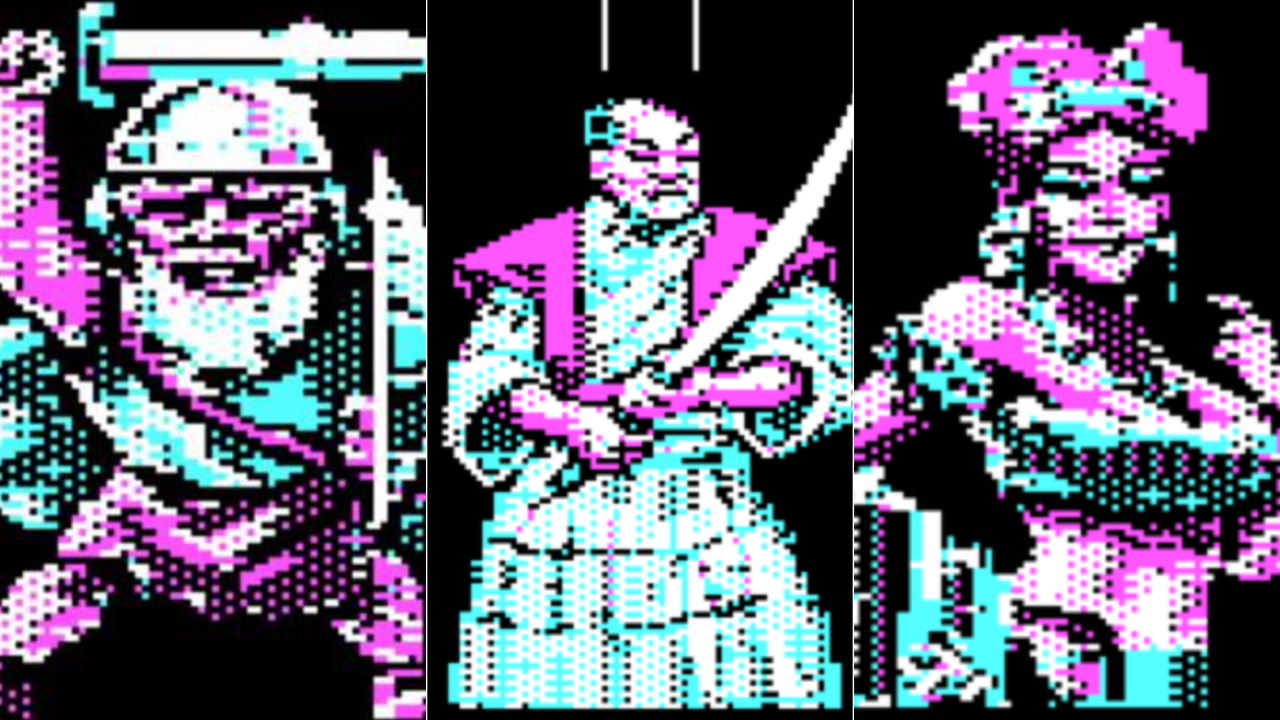
Atari has purchased the complete and exclusive rights to the first five Wizardry games and their underlying intellectual property. This includes the original Proving Grounds of the Mad Overlord (1981), Knight of Diamonds (1982), Legacy of Llylgamyn (1983), The Return of Werdna (1987), and Heart of the Maelstrom (1988). The deal also covers associated merchandise, board games, books, comics, and even TV and film projects. Notably, this does not include Wizardry 6 through 8, which remain under the ownership of Japanese publisher Drecom.
Will older Wizardry games become available again?
Yes, and that's one of the most exciting aspects. Atari CEO Wade Rosen stated the company plans to republish, remaster, and bring console ports and physical releases of these early games to market. The goal is to make the first five Wizardry titles accessible to modern audiences, likely through digital storefronts and potentially in collections. A remake of Proving Grounds of the Mad Overlord by Digital Eclipse was released in 2024, but the original versions have been largely unavailable for over two decades. Atari's acquisition should finally change that.
How do the Atari-acquired Wizardry games differ from the ones currently on Steam?
Most Wizardry games currently sold on Steam belong to a later strain of the series, primarily Drecom-licensed titles. These include Wizardry: Labyrinth of Lost Souls (2020) and the gacha-style Variants Daphne. They feature overt anime styling and are often more accessible or monetized. In contrast, Atari's first five games are classic, hardcore blobbers with rudimentary graphics and punishing difficulty. Atari's releases will likely preserve the original aesthetic and gameplay, offering a purist experience distinct from the modernized spin-offs.
What kind of re-releases should we expect from Atari?
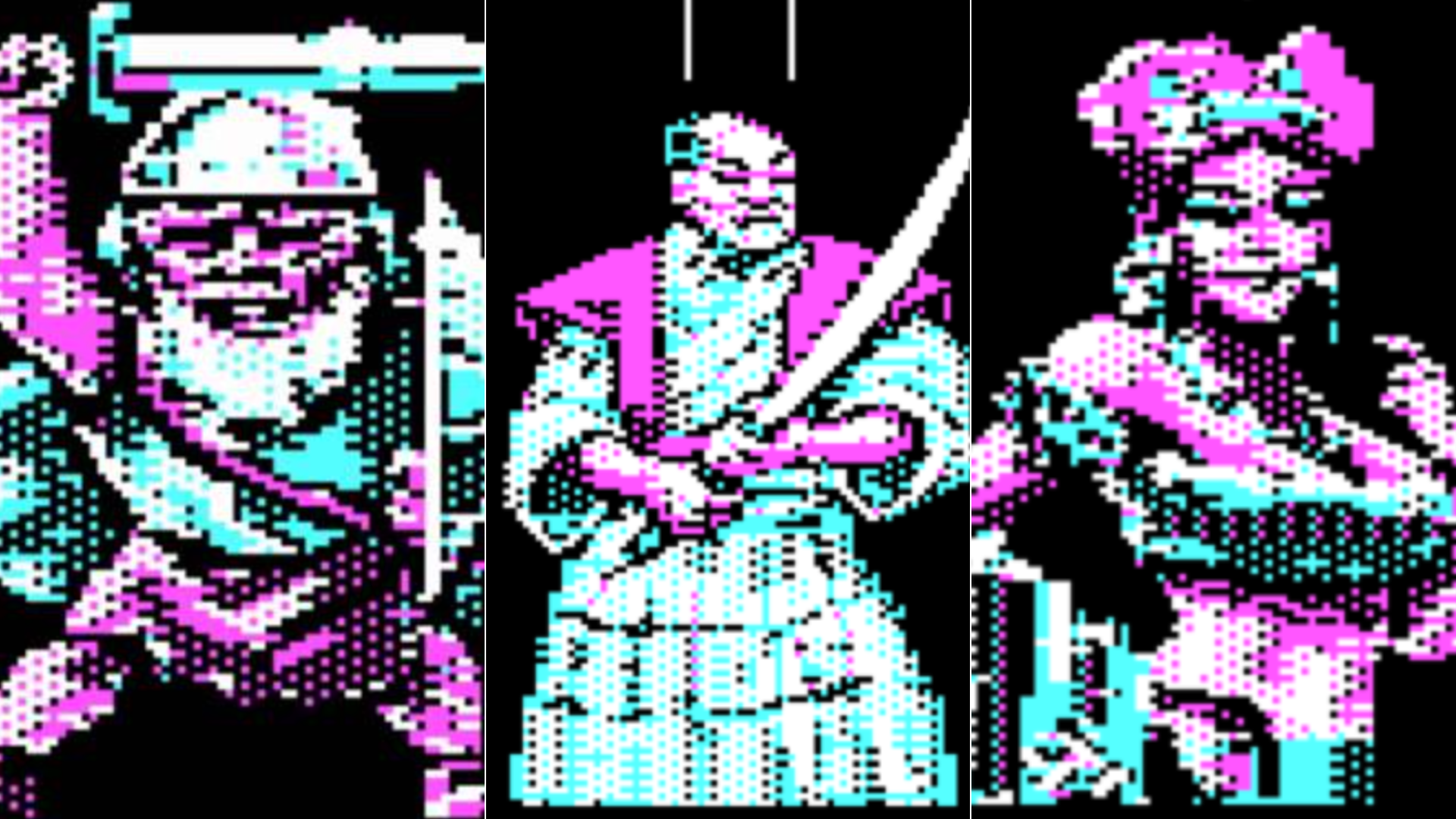
Atari is considering several formats: remasters that polish the original code, collections bundling multiple games, and even new releases inspired by the classic entries. The announcement also mentions physical releases for consoles. Beyond games, Atari plans to expand the IP into merchandise, card games, board games, books, and even TV or film adaptations. This mirrors Atari's recent strategy with other retro franchises like Breakout and Asteroids. The exact timeline hasn't been announced, but fans can expect news soon.
Why is now the right time to bring back Wizardry?
The blobber genre is experiencing a renaissance. Games like Legend of Grimrock 2, Eye of the Beholder remakes, and various indie tributes have rekindled interest in grid-based first-person dungeon crawlers. Atari's acquisition taps into a nostalgic desire for the originals while also appealing to a new generation of players curious about the roots of the genre. With the Wizardry name still respected among RPG enthusiasts—especially given its influence on both Western and Japanese RPGs—this is a strategic moment to reintroduce the series.
Related Articles
- Dell Ultrasharp U3225QE Redefines 4K Monitors: New IPS Black Tech Boosts Contrast for Home Offices
- Mounting Your Steam Controller Anywhere: A Comprehensive Guide to the Mechanism Basegrip
- The Moral Maze of The Last of Us Season 3: 7 Key Insights into Abby's Perspective
- Werewolf: The Apocalypse – Rageborn: A Metroidvania Twist on the World of Darkness
- How to Decode Mortal Kombat 2's Opening Weekend Box Office: A Step-by-Step Guide
- How to Dive Into Stranger Than Heaven: A Complete Guide to the Yakuza Prequel
- Why Ken Levine Prioritizes Artistic Style Over Photorealism: Lessons from BioShock and Judas
- Magic: The Gathering Reality Fracture: Preorder Guide and Q&A