Five Facts You Need to Know About the Franklin Expedition's Latest DNA Identifications
The ill-fated 1845 Franklin expedition, which sought to traverse the Northwest Passage, has captivated historians and archaeologists for nearly two centuries. Recent advances in DNA analysis have now allowed researchers to identify four additional crew members from the recovered remains, shedding new light on one of the Arctic's most enduring mysteries. Here are five essential facts about this groundbreaking work.
1. Four New Identifications: Expanding the Roster of the Lost
Through meticulous DNA analysis of skeletal remains recovered from King William Island and other sites, scientists have now added four more names to the list of identified crew members from the HMS Erebus and HMS Terror. These findings, published in the Journal of Archaeological Science and the Polar Record, bring the total number of identified individuals to a small but growing fraction of the 129 men who perished. Each identification represents a poignant reunion of name and bone, allowing descendants to connect with their ancestors and historians to reconstruct the expedition's final days with greater precision.
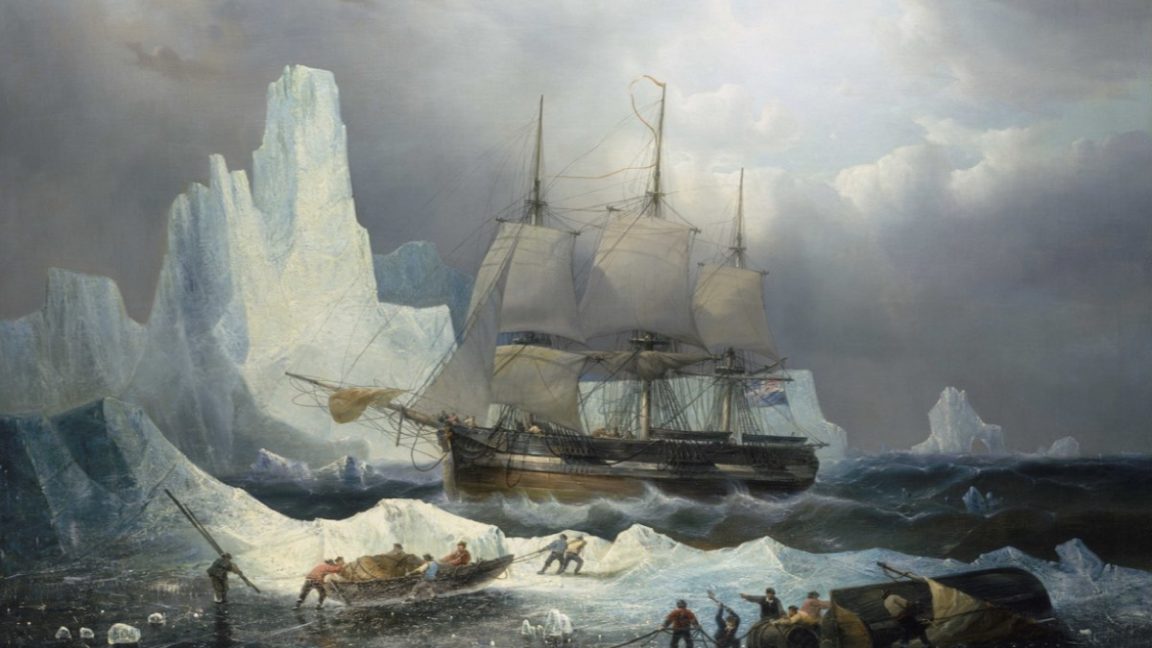
2. The Tragic Timeline: From Baffin Bay to Icebound Death
The expedition set sail on May 19, 1845, carrying 129 men under Captain Sir John Franklin. After being sighted by whalers in Baffin Bay in July 1845, the ships vanished. Later discoveries revealed that the crew wintered on Beechey Island (1845–1846), where three graves were found. In September 1846, the vessels became trapped in ice off King William Island. Franklin died on June 11, 1847, as noted in a message signed by Captain James Fitzjames. Survivors under Fitzjames attempted a desperate overland trek, but none survived. The new DNA findings help chronicle this tragedy, linking specific remains to their owners.
3. How DNA Analysis Unlocks the Past
Archaeologists use mitochondrial DNA and Y-chromosome analysis to match degraded bone samples with living descendants of the crew. By comparing genetic profiles from recovered teeth and bones with those of volunteers who share surnames or maternal lineages, researchers can confirm identities even after 170 years. The process is painstaking: contaminants must be removed, and low quantities of DNA require advanced sequencing techniques. This forensic approach has transformed historical archaeology, turning anonymous skeletons into named individuals with stories—and providing closure for families who have long wondered about their ancestors' fate.
4. The Four New Names: Insights into Ranks and Roles
While the original article does not specify the names of the four newly identified crew members, the research offers clues about their roles aboard the ships. Based on prior identifications (including those of Warrant Officer John Gregory and others), it's likely that these individuals held various ranks—perhaps petty officers, able seamen, or marines. The two papers detail the methodology used, including how DNA profiles were cross-referenced with historical records and genealogical databases. Each identification also provides data on the crew members' age, health, and possible cause of death, enriching our understanding of the expedition's harrowing end.
5. Broader Impact: Rewriting History and Inspiring Future Research
These identifications are not just about naming the dead—they allow historians to refine theories about the expedition's collapse. For instance, the location of remains and isotope analysis can reveal where individuals died and what they ate. The two papers also highlight the collaborative nature of modern science, bringing together archaeologists, geneticists, and genealogists. As more remains are recovered from the wrecks of the Erebus and Terror (discovered in 2014 and 2016, respectively), DNA analysis will continue to play a crucial role. Ultimately, this work honors the sacrifice of Franklin's men and ensures they are never forgotten.
The identification of four more crew members is a testament to the power of science to breathe life into history. As research continues, we can expect further revelations—and perhaps even a complete roster of those who gave their lives in the quest for the Northwest Passage. For now, each newly named individual brings us closer to understanding what truly happened in that frozen, unforgiving landscape.
Related Articles
- How to Save Up to $500 on MacBook Pro Laptops
- 9 Million Patient Records Exposed in Medtronic Cyberattack; Critical cPanel Zero-Day Under Active Exploitation
- 7 Key Insights into Q1 2026's Exploit and Vulnerability Landscape
- AI-Powered Zero-Day Exploit Uncovered: Google Threat Intelligence Reports First-Ever Use by Criminal Adversaries
- How to Make the Most of Hackaday Europe 2026: A Complete Preparation Guide
- Shielding Medical Infrastructure: A Tactical Guide to Wiper Attack Defense Inspired by the Stryker Incident
- 8 Critical Facts About the New xlabs_v1 Botnet Hijacking IoT Devices via ADB
- Breaking: NIST Halts Full NVD Enrichment for Majority of CVEs—Security Teams Must Adapt Now