The Intricate Mathematical Choreography of Plant Light Management
Plants lead a precarious existence by relying on sunlight for energy. The sun's rays are not just a source of life—they also bring ultraviolet radiation that can damage DNA and break down essential molecules. Worse, light intensity is constantly shifting: gentle dawn light, harsh midday sun, sudden shadows from passing clouds. To survive, plants must instantly adjust their internal processes, balancing the need to capture energy with the risk of cellular harm. This delicate regulation resembles a complex mathematical dance, where every step is precisely calculated to optimize photosynthesis and prevent injury. Below, we explore the key questions about this fascinating adaptation.
Why is living on light dangerous for plants?
Sunlight is a double-edged sword for plants. While it powers photosynthesis, it also delivers ultraviolet (UV) rays capable of snapping DNA strands and degrading vital molecules like proteins and lipids. Additionally, light intensity varies enormously throughout the day—from soft morning glows to blistering afternoon beams, and from full exposure to sudden shade. This unpredictability forces plants to constantly adjust their light-harvesting systems. If they capture too little light, they starve; if they absorb too much, they suffer oxidative damage. Surviving on light means navigating this fine line between feast and famine, making it a dangerous game that requires rapid, precise responses.
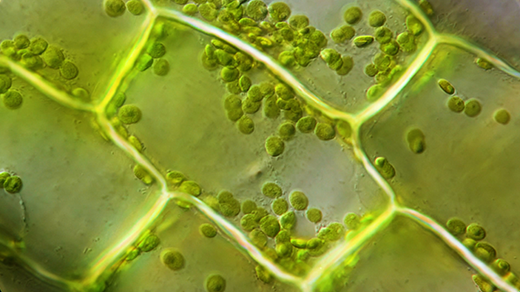
How do plants handle sudden changes in light intensity?
Plants employ a dynamic regulatory system that acts like a mathematical algorithm. When a cloud obscures the sun, light levels drop abruptly; photosynthetic machinery must reduce energy capture to avoid wasting resources. Conversely, when the sun reappears, the plant must ramp up quickly to grab the available photons. This is achieved by adjusting the antenna complexes in chloroplasts—unplugging or reconnecting them like modular solar panels. The process involves feedback loops that sense electron flow and energy pressure, then modulate the efficiency of photosystems. This rapid, continuous recalibration is akin to a dance where every move is timed to match the changing rhythm of light.
What is the 'mathematical dance' inside plant cells?
The term refers to the precise, quantifiable adjustments plants make in their photosynthetic apparatus to maintain optimal energy balance. Inside chloroplasts, proteins and pigments rearrange themselves in response to light fluctuations. This includes the xanthophyll cycle—a reversible conversion of pigments that dissipates excess light as heat—and the regulation of electron transport chains. Each step involves specific molecules changing their states in coordinated sequences, often described as a 'dance' because of the coordinated, rhythmic nature of these movements. The mathematics comes from the fact that these reactions follow strict stoichiometric ratios and feedback kinetics, allowing the plant to behave like a living calculator optimizing for survival.
What role do chloroplasts play in managing light fluctuations?
Chloroplasts are the cellular power plants where the light-dependent reactions of photosynthesis occur. They contain thylakoid membranes studded with photosystems that capture photons. To manage fluctuating light, chloroplasts can move within the cell—relocating to avoid high light (like shielding eyes) or to gather dim light. More importantly, they fine-tune the efficiency of photosystem II (PSII) by regulating the antenna size and initiating non-photochemical quenching (NPQ). These real-time adjustments happen within seconds to minutes, making chloroplasts the nerve center of the plant's response to changing light. Without this sophisticated control, plants would either underperform or suffer photodamage.
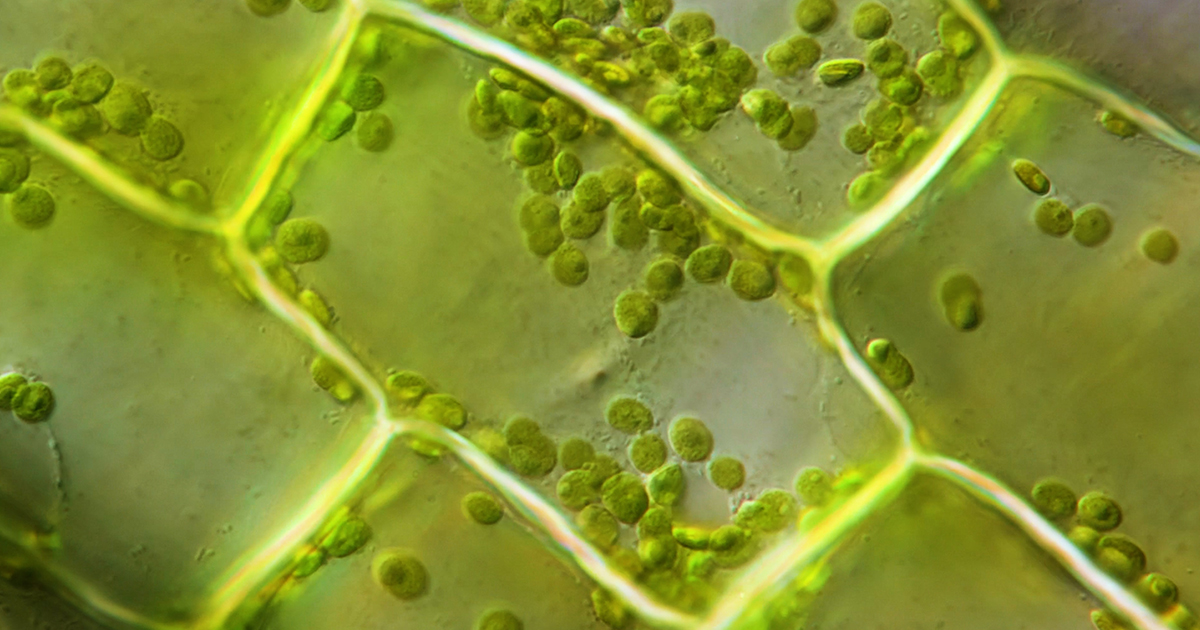
How do plants avoid damage from excessive light?
When light is too intense, plants activate photoprotective mechanisms. The most critical is non-photochemical quenching (NPQ), where excess excitation energy is safely dissipated as heat. This is triggered by the buildup of a proton gradient across the thylakoid membrane and involves the xanthophyll cycle: violaxanthin is converted to zeaxanthin, which helps quench energy. Another safeguard is the repair cycle of PSII, which replaces damaged D1 proteins. Additionally, plants produce antioxidant molecules like ascorbate and tocopherol to neutralize reactive oxygen species. These layered defenses prevent the dangerous side effects of overexcitation, allowing plants to endure the deluges of full sunlight without cellular destruction.
How does the plant's response to light compare to a mathematical equation?
The plant's light response can be modeled as a set of differential equations governing rates of photon absorption, electron transport, carbon fixation, and dissipation. For instance, the balance between photochemistry and heat dissipation follows a precise equilibrium: at low light, most energy goes to photosynthesis; at high light, the excess is quenched. The kinetics of NPQ induction and relaxation can be described by exponential functions. This mathematical nature allows scientists to predict how a plant will behave under different light scenarios. It also reveals the elegant optimization that evolution has encoded—a living equation that continuously recalculates the safest and most productive way to harness sunlight.
What can humans learn from plants' light management?
Plants' ability to dynamically adapt to variable energy input offers inspiration for human technologies. Solar panels could incorporate similar feedback systems to avoid overheating and maintain efficiency under changing irradiance. In agriculture, understanding the mathematical dance helps breed crops with better light tolerance, boosting yields. Even in computing, bio-inspired algorithms that mimic the quenching mechanisms could lead to more efficient power management. Ultimately, plants teach us that survival under unpredictable conditions requires flexible, real-time optimization—a lesson valuable across disciplines, from engineering to economics.
Related Articles
- TCL 27R944K Review: Mini LED Gaming Monitor Delivers Blazing Brightness and Fluid 165Hz Performance
- Why SteamOS on the ROG Ally X Surpassed My Steam Deck Experience
- The Unseen Social Price of Weight Loss Drugs: More Judgment, Not Less
- 10 Shocking Changes in Conan Exiles' Unreal Engine 5 Revamp
- 7 Unbeatable Android App and Device Deals You Need to Grab Today
- Create Original Songs with Offbeat: The Unique Game That Doubles as Audio Production Software
- How Mixtape's Developers Secured Its Music Licensing for Good
- How to Add a Simple Gamification System to Your Community (Inspired by Stack Overflow)