Chinese Automakers Set Sights on Ford's Most Profitable Division: Commercial Vehicles
The Growing Threat from Chinese Automakers in Europe
It's no secret that Chinese automotive manufacturers have been making waves globally. While tariffs on imported vehicles and parts provide a buffer for American automakers like Ford Motor Company (NYSE: F) in the United States, the situation in Europe tells a different story. Chinese brands have rapidly expanded their presence in the European passenger car market, doubling their share to 6% last year. By March 2026, that figure had already climbed to 9.4%—a clear sign of their aggressive growth trajectory.
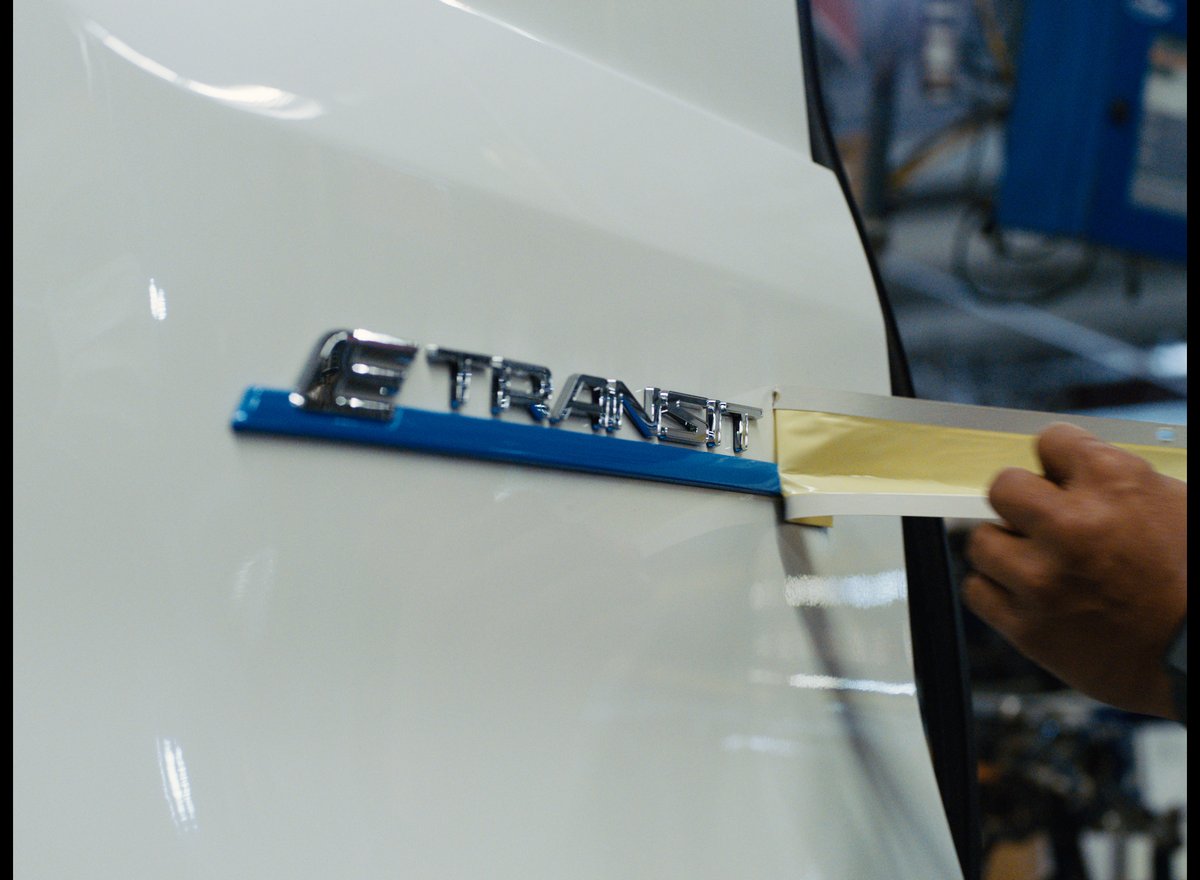
Market Share Surge
This surge isn't accidental. Chinese automakers have invested heavily in electric vehicle (EV) technology, competitive pricing, and innovative features that appeal to European consumers. Their success in the passenger car segment has given them the confidence and capital to target a new, highly lucrative sector: commercial vehicles. And that's where Ford's crown jewel—Ford Pro—comes into play.
Ford Pro: The Company's Cash Cow
While many investors view Ford's traditional vehicle sales as its core business, the company's commercial vehicle division, Ford Pro, has quietly become its most profitable arm. In fact, Ford's guidance for 2026 underscores just how critical this segment is. Ford Pro is expected to generate between $6.5 billion and $7.5 billion in earnings before interest and taxes (EBIT).
Compare that to Ford Blue, the company's traditional internal combustion engine division, which is projected to deliver $4.5 billion to $5 billion in EBIT. Meanwhile, Ford's Model e division—focused on electric vehicles—is forecast to post a staggering loss of $4 billion to $4.5 billion in EBIT. Clearly, Ford Pro is not just a nice-to-have; it's the engine driving Ford's overall profitability.
Impressive Profit Margins
Ford Pro's success stems from its focus on fleet sales, commercial vans, trucks, and connected services. These vehicles command higher margins and often enjoy repeat business from corporations and government agencies. The division also benefits from a robust service network and parts supply chain, making it a sticky revenue source. However, this very success now makes it a prime target for Chinese automakers looking to expand beyond passenger cars.
Why Commercial Vehicles Are the Next Battleground
The commercial vehicle market has long been dominated by established players like Ford, Stellantis (with its Ram and Mercedes-Benz vans), and Volkswagen. But Chinese manufacturers are increasingly eyeing this space, attracted by its high margins and long-term contracts. They have already begun introducing electric vans and light trucks in Europe, often undercutting traditional rivals on price while offering comparable technology.
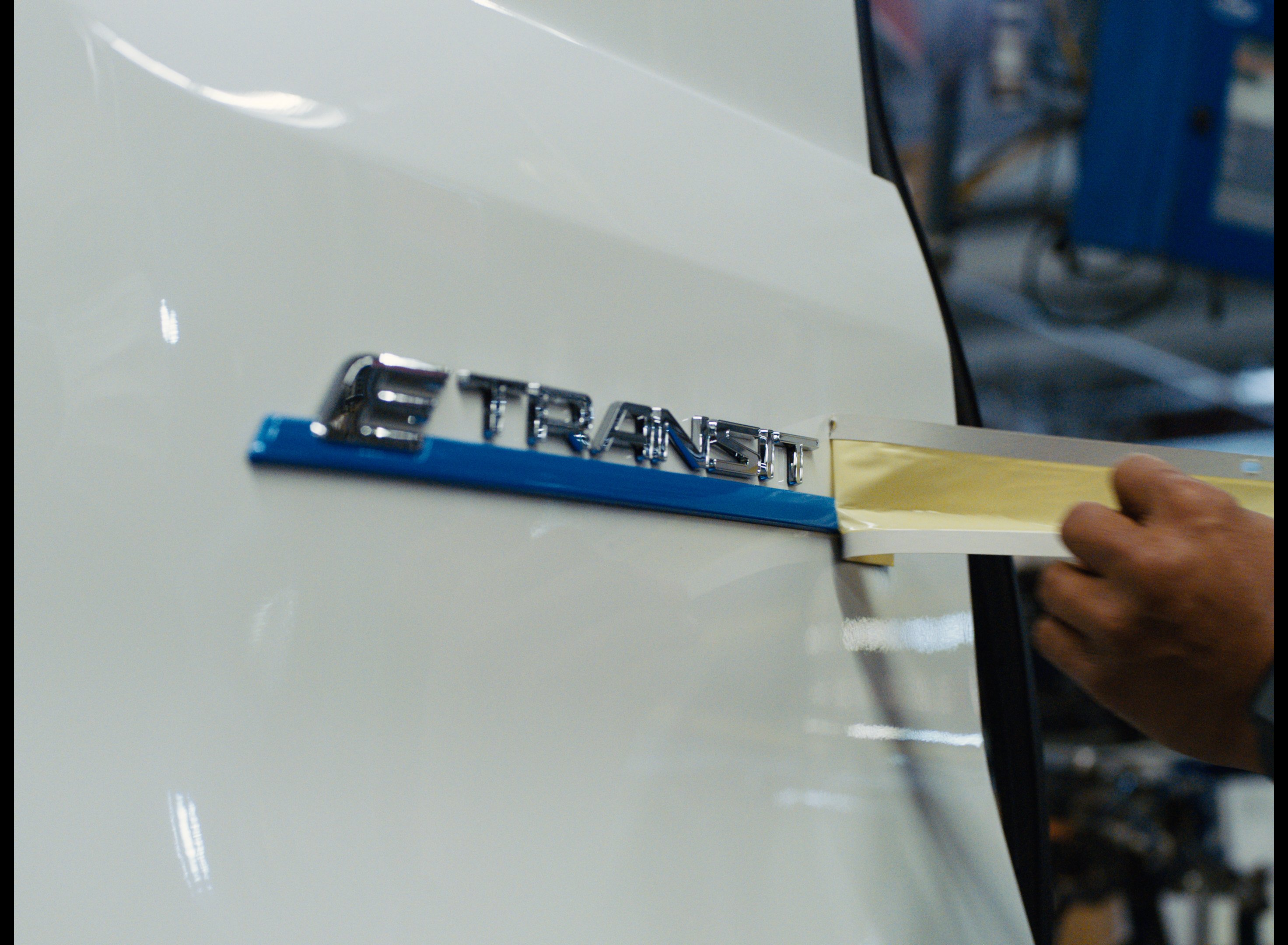
Chinese Companies Already Have a Foothold
For instance, BYD and Geely have launched electric commercial vehicles in select European markets. SAIC Motor's Maxus brand has been particularly aggressive, offering a range of electric vans that compete directly with Ford's Transit lineup. These vehicles are not just cheaper; they also benefit from government incentives for electric commercial fleets, making them an attractive option for cost-conscious businesses.
If Chinese automakers can replicate their passenger car success in the commercial vehicle segment, Ford Pro's profit engine could face significant headwinds. The stakes are high: a loss of even a few percentage points of market share could shave hundreds of millions off Ford's bottom line.
What This Means for Ford's Future
Ford isn't sitting idly by. The company is investing heavily in electrifying its commercial vehicle lineup, including the E-Transit and upcoming all-electric versions of its popular trucks. It's also expanding Ford Pro's connected services and telematics offerings to create a more integrated ecosystem that locks in fleet customers.
But the threat from Chinese automakers is real and growing. As they gain experience and scale, their ability to compete in the commercial vehicle space will only improve. For investors, this means keeping a close eye on Ford Pro's market share and profit margins in Europe. The next few years will determine whether Ford can defend its most valuable division—or whether Chinese automakers will succeed in taking a big bite out of this money-maker.
Image source: Ford Motor Company.
Related Articles
- Kelp DAO Rebuts LayerZero's Account of $300M rsETH Bridge Exploit, Moves to Chainlink Standard
- Java Ecosystem Update: JDK 26 Reflections, Spring AI 2.0, and the Vibe Coding Debate
- Navigating Toxic Leadership: A Comprehensive Guide to Surviving and Thriving Under a Bad Boss
- Crypto Markets Bounce Back After Brutal Selloff as AI Capex and Fed Split Fuel Recovery
- 10 Essential Insights Into TradeXYZ’s New Pre-IPO Perpetuals Market
- 5 Key Updates About Google Wallet's Digital ID Expansion on Android
- Managing Secrets in Grafana Cloud k6: A Q&A Guide to Secure Performance Testing
- Sanctioned Crypto Exchange Grinex Blames Unfriendly States for $15 Million Hack, Shuts Down Operations