How to Build a Single-Player RPG with Live Service Agility: Lessons from Pearl Abyss' Crimson Desert
Overview
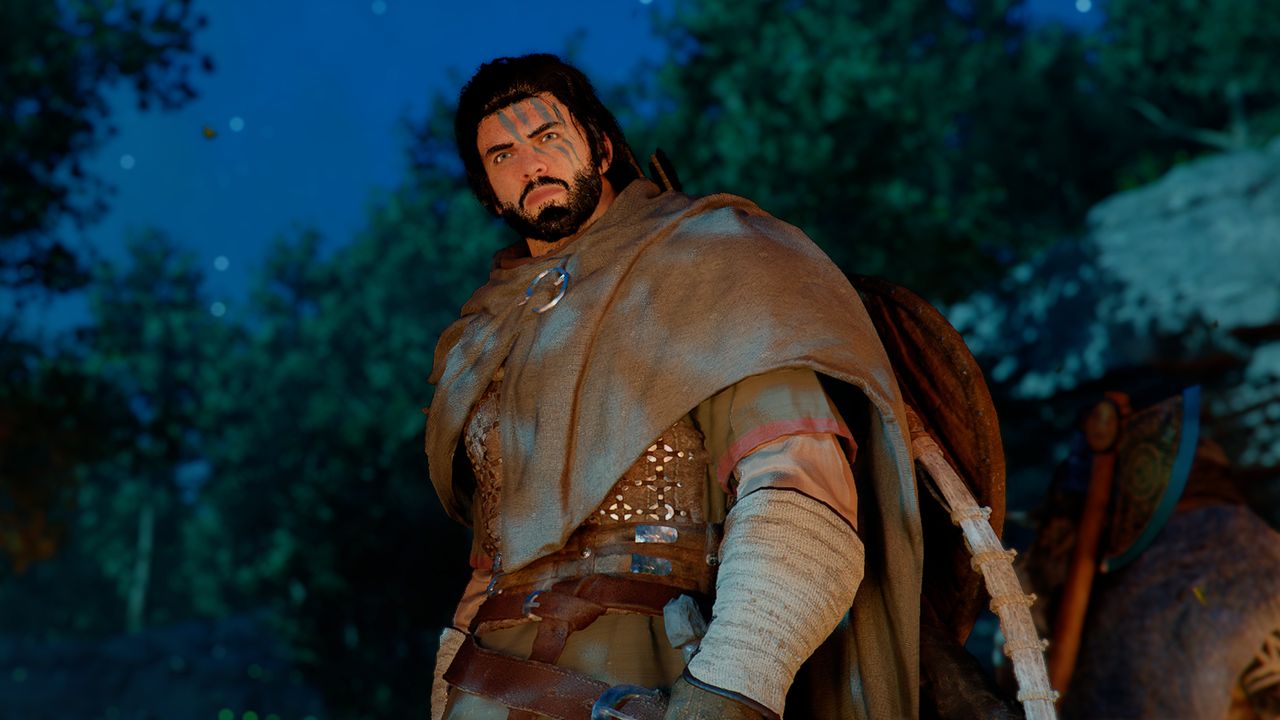
In the gaming industry, the line between single-player RPGs and live service MMOs is usually stark. But Pearl Abyss' Crimson Desert blurs it deliberately—and successfully. The studio's marketing director, Will Powers, recently explained that the team applies the same rapid, feedback-driven patch cadence they developed for Black Desert Online to this solo adventure. The result? Features like a 'hide helmet' toggle, revamped movement controls, and a suite of difficulty options—all added within weeks of player requests. This guide breaks down the methodology behind that agility, offering a practical roadmap for other developers who want to treat their single-player games as living, evolving products without falling into the pitfalls of traditional live service.
Prerequisites
Before adopting this approach, your studio needs:
- An established, stable game build – A solid foundation that can support rapid patches without breaking core systems.
- Active community channels – Forums, Discord, social media, or in-game feedback tools to collect player opinions in real time.
- A responsive development pipeline – The ability to push patches weekly (or even daily) without QA bottlenecks. Pearl Abyss built this during Black Desert's MMO years.
- Executive buy-in for no fixed roadmap – As Powers told The Washington Post, “We are not baking in presumptions around what the players want.” That means accepting uncertainty.
- A culture that values external ideas – The studio avoids the “Silicon Valley-esque” ego that rejects suggestions from outside. “A good idea can come from anywhere.”
Step-by-Step Guide
1. Establish Real-Time Feedback Loops
Do not publish a traditional roadmap with set-in-stone dates. Instead, create channels for continuous player input. Powers emphasized that “everything, patch-wise, content-wise, has been iterated in real time based on feedback, based on response.” For Crimson Desert, that meant monitoring community discussions daily. When players asked for a 'hide helmet' button, the team implemented it in a subsequent patch—no lengthy deliberation.
Action item: Set up a dedicated feedback portal, assign a community manager to aggregate requests, and hold weekly triage meetings to prioritize the most requested features.
2. Identify and Fix Pain Points Immediately
Launch is never perfect. Crimson Desert’s movement controls felt “a bit awkward” to many. Instead of waiting for a planned update, Pearl Abyss overhauled them within a few weeks. They also retained a “classic” control option for purists, showing respect for different playstyles. This rapid response builds goodwill.
Action item: After launch, compile a top-10 list of player complaints from forums and reviews. Assign a small strike team to fix the top three in the next patch cycle. Keep an alternative mode for those who preferred the original.
3. Expand Difficulty Options Instead of Balancing to One Vision
Rather than tuning difficulty to a single target, offer a spectrum. Crimson Desert added multiple difficulty levels following feedback that the game was “too hard” or “too easy.” This approach acknowledges that a single-player game can serve different skill levels without compromising identity.
Action item: Design difficulty modifiers that affect enemy health, damage, aggression, and resource availability. Expose them in the options menu and allow switching at any time (or at least at checkpoints).
4. Maintain a Rapid Patch Cadence Using MMO Infrastructure
Pearl Abyss had an advantage: years of running Black Desert as a live service taught them how to deploy updates quickly. Powers noted, “That is not normal in the industry. That is normal here.” Even for a single-player title, they use similar build pipelines and automated testing.
Action item: Invest in continuous integration/continuous deployment (CI/CD) systems. Automate regression tests. Keep your patch notes short and frequent—aim for weekly or biweekly updates for the first few months after launch.
5. Accept Ideas from Anywhere—Even from Outside Your Team
“We’re not onerous about, if an idea didn’t come from us, then it can't be in the game,” Powers said. This openness distinguishes Pearl Abyss from many studios. For Crimson Desert, player suggestions directly shaped the game's evolution. This creates a sense of partial ownership among the community, fueling passionate word-of-mouth marketing.
Action item: Host monthly “player suggestion livestreams” where developers review and vote on ideas. Implement the winning ones in the next patch. Give credit to the suggestor in patch notes.
Common Mistakes
- Sticking to a rigid roadmap – A fixed roadmap presumes you know what players want. Crimson Desert succeeded by being flexible. Avoid committing to features six months ahead.
- Ignoring the silent majority – Loud feedback on forums may not represent all players. Use analytics and surveys to validate which requests are broadly popular.
- Overcorrecting based on one complaint – The ‘hide helmet’ button was a minor addition; but revamping an entire combat system because a few streamers complained could alienate others. Test changes in a beta branch first.
- Neglecting the original vision – While being responsive, don’t lose your game’s core identity. Pearl Abyss kept a classic control option to satisfy those who liked the original feel.
- Underestimating QA load – Rapid patches increase risk of bugs. Allocate a dedicated QA team to run regression tests before each deployment.
Summary
Pearl Abyss has demonstrated that a single-player RPG can thrive under a live service mindset—if the studio is willing to listen, iterate quickly, and let go of ego. By building on the infrastructure of their MMO Black Desert, they can push patches in real time, responding to player feedback without a rigid roadmap. Features like the hide helmet toggle, revised controls, and expanded difficulty options were all born from community input. This approach not only improves the game but also fosters a passionate, invested playerbase. For developers aiming to replicate this model: focus on feedback loops, rapid fixes, flexibility in difficulty, and a culture that welcomes external ideas. Avoid the trap of fixed roadmaps and overcorrection. The result can be a game that feels alive, responsive, and uniquely owned by its community.
Related Articles
- Control's Legacy: 6 Million Sales and the Road to Control Resonant in 2026
- Mortal Kombat 2 Delivers What Fans Wanted: Fixes Original's Core Mistake
- The Ultimate Grogu Animatronic: The Most Realistic Baby Yoda Collectible Yet
- How to Rekindle Your Love for Gaming Through Weekly Reflections
- Mortal Kombat 2: Early Reviews Split Critics – A Q&A Breakdown
- Steam Controller Hidden Easter Egg: Wilhelm Scream Triggers Drop Frenzy
- Level Up Your Profile: Xbox Unveils Evolving Gamerscore Badges and Fresh Boot Animation
- Tracer's Glutes Return? How Fortnite Revived an Overwatch Legend