7 Essential Insights on SPIFFE for Securing AI Agents and Non-Human Identities
As artificial intelligence systems grow more autonomous and independent, proving who they are and that they can be trusted becomes a critical challenge. Traditional identity methods built around human users and static credentials simply don’t work for dynamic, short-lived, and non-human entities. Enter SPIFFE—a battle-tested, open-source identity framework designed to solve exactly this problem. Below, we break down seven key things you need to know about SPIFFE and how it secures the identity of agentic AI and other non-human actors.
1. What Is SPIFFE? An Open Standard for Workload Identity
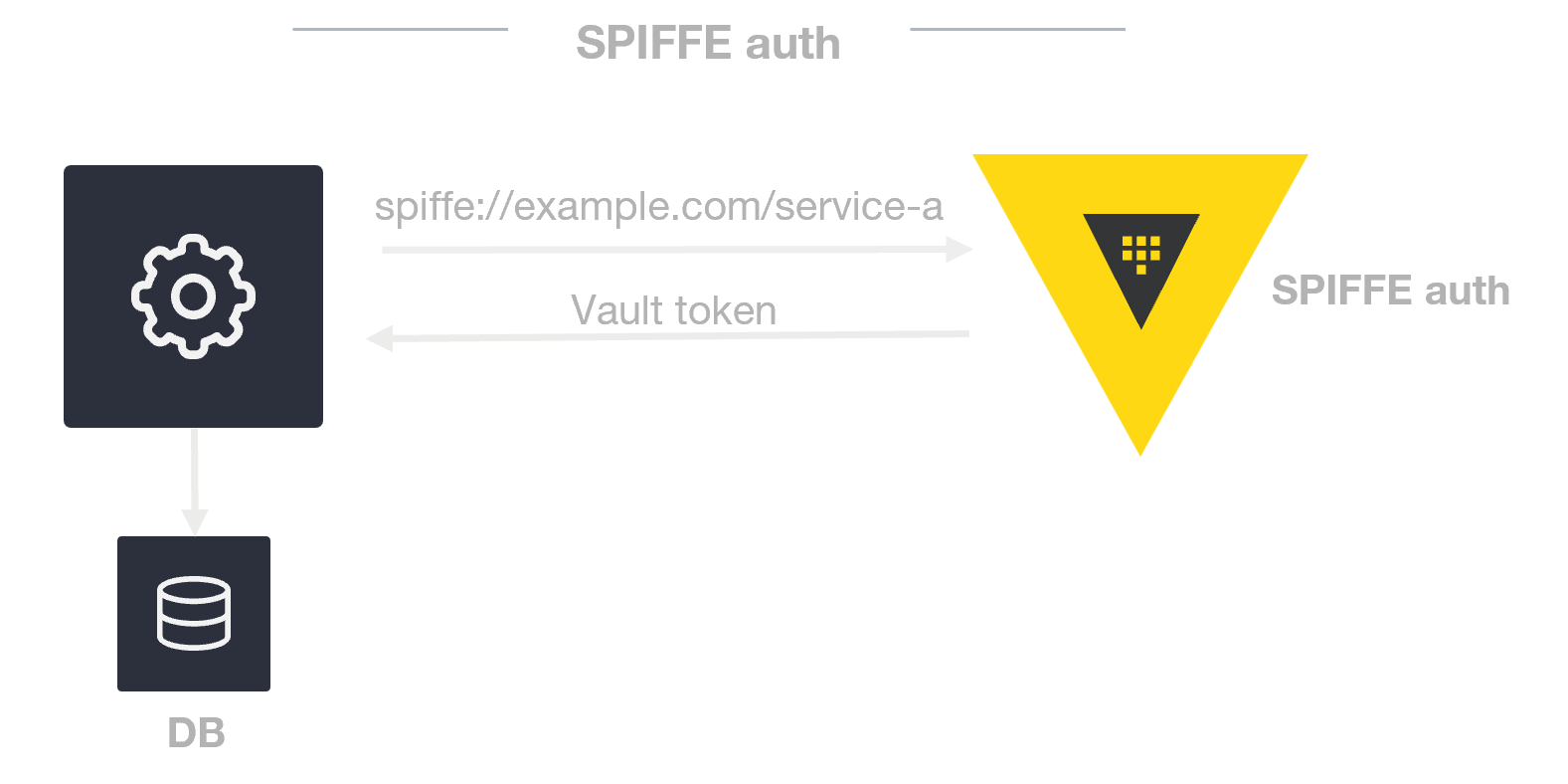
SPIFFE, which stands for Secure Production Identity Framework For Everyone, is an open standard that provides a universal identity framework for workloads. Initially created to help microservices authenticate securely in cloud-native environments, SPIFFE issues and validates cryptographically verifiable identities without relying on long-lived secrets like passwords or API keys. At its foundation, SPIFFE enables three key capabilities: workload identity—each service or process receives a unique SPIFFE ID; federated trust—identities can be verified across different organizations and environments; and dynamic credentialing—identities are automatically issued and rotated, reducing the risk of credential leaks. This makes SPIFFE a robust, scalable solution for modern, distributed systems.
2. Why SPIFFE Is Crucial for Autonomous AI Agents
Agentic AI systems—such as autonomous agents, LLM-powered bots, or robotic systems—operate independently, make decisions, and interact with other services or agents. These systems need to prove their identity to other systems, establish trust in multi-agent environments, and operate securely across networks and organizations. Traditional human-centric identity frameworks cannot meet these needs because AI agents are ephemeral, fast-spinning, and often cross organizational boundaries. SPIFFE fills this gap by providing a foundation for verifiable, automated identity that matches the speed and scale of modern AI workflows. Without such a framework, AI agents risk impersonation, unauthorized access, and broken trust in critical operations.
3. Verifiable Non-Human Identity with SPIFFE IDs
One of SPIFFE’s core strengths is that SPIFFE IDs are tied to workloads, not people. This makes them ideal for AI agents, robotic systems, and any non-human entity. Each agent can be issued a unique SPIFFE ID that proves its origin, capabilities, and trust level. For example, a fleet of delivery drones could each have a SPIFFE ID that certifies they belong to a specific operator and have the authority to access certain airspace or drop-off zones. This identity is cryptographically verifiable, meaning other systems can instantly confirm the agent’s authenticity without needing a central authority for every interaction. This approach eliminates the risks associated with shared secrets and static credentials.
4. Enabling Zero Trust with Mutual TLS
In a zero-trust model, no entity—human or machine—is trusted by default. SPIFFE directly supports this philosophy through mutual TLS (mTLS) authentication. When two AI agents need to communicate, SPIFFE enables them to mutually authenticate each other using their SPIFFE IDs, ensuring that every interaction is both authenticated and encrypted. This is critical for preventing impersonation or unauthorized access in AI-driven systems. For instance, in a multi-agent healthcare system, an administrative agent can verify that a diagnostic AI agent is legitimate before sharing patient data. Without mTLS based on SPIFFE, such verification would require cumbersome, manual certificate management that breaks down at scale.
5. Federated Trust Across Organizations and Clouds
Agentic AI systems often span multiple clouds, organizations, or networks. A single AI agent might need to interact with services hosted by different companies, each with its own security domain. SPIFFE’s federation model allows identities to be validated across trust domains, enabling secure collaboration between agents from different environments. This works by establishing trust bundles—sets of trusted root certificates that each domain agrees to honor. For example, a smart city’s traffic management agent from one vendor could securely communicate with an energy grid agent from another vendor, even though they belong to different administrative domains. Federation ensures that trust is portable and scalable, without requiring a single global authority.
6. Dynamic and Ephemeral Identity Management
AI agents are often spun up and decommissioned very quickly—sometimes in seconds or minutes. SPIFFE supports this pace with ephemeral identities that are automatically issued, rotated, and revoked. Rather than relying on long-lived static credentials, SPIFFE issues short-lived X.509 certificates that expire after a brief window, often minutes or hours. This dynamic lifecycle dramatically reduces the attack surface: even if a credential is compromised, it becomes useless shortly after. Automatic rotation also eliminates the operational burden of manual certificate renewals. For large-scale deployments with thousands of rapidly changing agents, this dynamic approach is essential for maintaining security without sacrificing agility.
7. Use Case: SPIFFE in Multi-Agent AI Systems
Imagine a swarm of AI agents coordinating to manage a smart city’s infrastructure—traffic lights, energy grids, and emergency response systems. Each agent needs to authenticate itself to other agents, prove it has the authority to perform certain actions, and securely communicate sensitive data. SPIFFE makes this possible by giving every agent a verifiable identity. For example, a traffic light controller agent could have a SPIFFE ID proving it belongs to the city’s transportation department and can adjust signal timings. Before accepting commands, other agents verify that ID via mTLS. If an agent is compromised, its identity can be quickly revoked, preventing it from issuing harmful commands. This use case illustrates how SPIFFE provides the trust foundation that makes multi-agent AI safe and reliable at scale.
Conclusion: The Future of Non-Human Identity
As agentic AI continues to evolve, the need for a robust, scalable identity framework will only grow. SPIFFE offers a proven, open-standard solution that addresses the unique challenges of non-human actors—dynamic lifecycles, cross-domain trust, and zero-trust security. By adopting SPIFFE, organizations can ensure that their AI agents, robots, and other autonomous systems operate with verifiable trust, reducing risks and enabling new levels of automation. Whether you are building a multi-agent system or securing a portfolio of AI services, SPIFFE provides the identity layer that modern, distributed systems require. Learn more about the basics of SPIFFE or explore how zero trust applies to your use case.
Related Articles
- Updating Your Rust GPU Compilation for NVIDIA's New Baseline: A Step-by-Step Guide
- Rust 1.97 to Drop Support for Older NVIDIA GPUs and CUDA Drivers
- Massive Samsung and Amazon Deals Hit: Galaxy Tab S11 Ultra Slashed $500, Galaxy S26 Ultra Drops $369, Echo Devices at Record Lows
- Apple Discontinues Entry-Level Mac Mini with 256GB SSD, Base Price Jumps to $799
- SPIFFE: The Identity Standard for Autonomous AI and Non-Human Entities
- NVIDIA Engineers Tackle CPPC v4 Support for Linux ACPI Driver – A Leap Forward in Core Performance Management
- Inside Huawei’s AI Chip Boom: $12 Billion in Orders Signal Shift in China’s Semiconductor Landscape
- Asus Unveils ROG Zephyrus DUO 2026: Dual-Screen Beast Packs RTX 5090, Stuns with Price Tag