8 Reasons the RAM Price Surge Hits Everyone, Not Just PC Enthusiasts
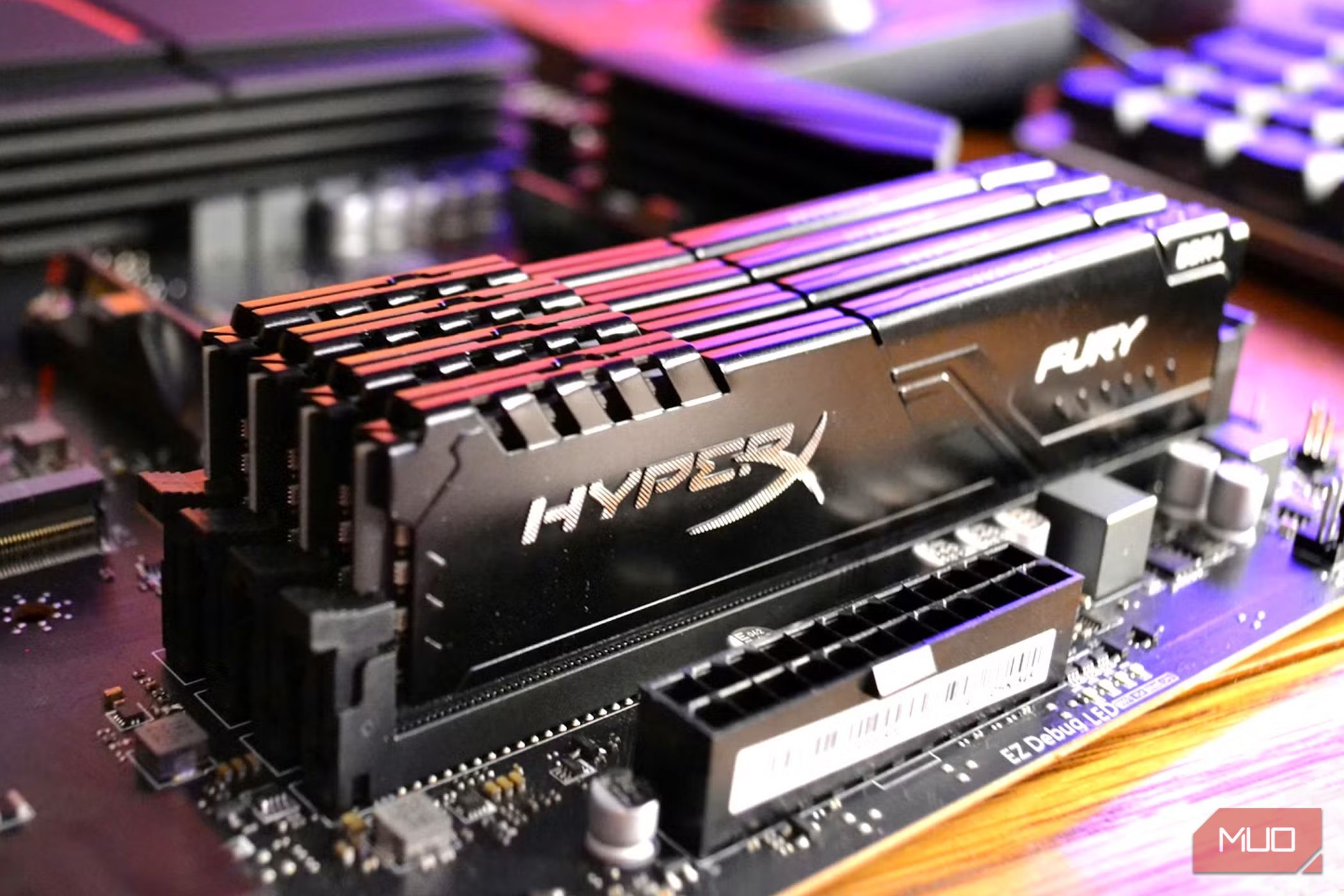
Earlier this year, I built a dream PC—one whose total cost exceeded that of my used sedan. At the heart of that rig sat 64GB of DDR5 Corsair Vengeance RAM, four sticks I’d bought two years prior for a reasonable sum. Today, those same modules would set me back over $850. This isn’t just a niche problem for hardware obsessives. The RAM crisis has spilled into every corner of computing, affecting casual gamers, remote workers, and even businesses. Here are eight critical things you need to know about this price explosion—and why it matters to you.
1. The Price of Performance Has Skyrocketed
Two years ago, a 64GB DDR5 kit cost about a third of its current price. The memory in my rig—four 16GB sticks of Corsair Vengeance—was a steal back then. Now, that same configuration pushes past $850. The percentage increase is staggering, and it’s not limited to high-tier kits. Even mid-range DDR5 modules have jumped 40-60%, making it harder for budget builds to get decent performance without breaking the bank.
2. DDR5’s Growing Pains Are Still Here
DDR5 RAM was supposed to bring faster speeds and lower power consumption, but its adoption has been rocky. Manufacturing yields for the new memory standard remain below expectations, leading to shortages. At the same time, demand from server farms and AI datacenters is gobbling up supply. While DDR4 is still around, its prices have also crept up due to factory retooling. The transition to DDR5 was never going to be smooth, and we’re in the rough patch now.
3. Supply Chains: A Perfect Storm
RAM production relies on a delicate web of raw materials, specialized equipment, and global logistics. Geopolitical tensions, COVID aftereffects, and natural disasters have all taken their toll. Factories in Taiwan and South Korea have faced power shortages and labor disruptions. Meanwhile, demand for memory chips in smartphones, cars, and smart appliances has skyrocketed. Each of these factors squeezes the supply of PC RAM tighter, pushing prices higher for everyone.
4. Casual Gamers Feel the Pain Too
You might not be building a custom PC, but if you’re buying a prebuilt gaming rig or upgrading an existing one, you’re hit. Manufacturers pass higher RAM costs directly to consumers. A prebuilt that cost $1,200 last year might now run $1,400 for the same specs. And budget-conscious players are forced to choose less RAM or slower speeds, reducing performance in modern games that rely on fast memory (like Starfield or Cyberpunk 2077).
5. Budget PC Builds Are No Longer Inexpensive
The “budget gamer” build—often targeting $600-$800—has seen some of the biggest impacts. With affordable DDR5 kits now $100-$150 more than they were two years ago, some builders are turning to older DDR4 platforms. But even those are facing limited availability and price bumps. A typical 16GB DDR4 kit has risen from $40 to $75. For someone on a tight budget, that extra cost may mean delaying a build or sacrificing another component, like a better GPU.
6. Laptop Upgrades Become a Nightmare
Many modern laptops, especially ultrabooks and gaming notebooks, have soldered RAM that can’t be upgraded. But for those that do allow it, replacement sticks cost a fortune. Want to boost your laptop from 16GB to 32GB for video editing or virtualization? You could be paying over $200 simply for the memory module. Some users are now buying laptops with maximum RAM out of the box, pushing up the entire machine’s price.
7. Datacenters Drive Demand – and Prices
Cloud computing, artificial intelligence, and big data analytics all crave enormous amounts of RAM. Every large server farm upgrade cycles through millions of memory modules. As companies like Amazon, Microsoft, and Google expand their infrastructure, they compete with individual consumers for the same chips. This corporate demand acts as a price floor, ensuring that even when consumer supply improves, costs won’t drop quickly.
8. The Future: No Quick Fix in Sight
Industry analysts expect RAM prices to remain elevated through at least 2026. New DDR5 production lines are coming online slowly, and geopolitical uncertainties persist. However, there’s a glimmer of hope: as manufacturing yields improve and more foundries open, prices may eventually fall. Until then, the best strategy is to buy only what you need now, watch for sales, and consider budget-conscious alternatives or laptops with upgradeable memory.
From my personal experience of seeing a $850 price tag on memory I bought for less, it’s clear this crisis affects far more than hardcore PC nerds. Whether you’re a gamer, a student, or a professional, the soaring cost of RAM is something you can’t ignore. Stay informed, plan your purchases wisely, and remember that the next wave of memory innovation might eventually bring relief—but not until the industry sorts out its supply chain.
Related Articles
- One Tennessee Farmer Stands Ground Against Power Giant, Halting AI Data Center Power Line
- RingCentral's AI-First Pivot Propels Record Quarter: Inside the Shift from UCaaS to Engagement Platform
- Securing Your CI/CD Pipeline Against Malicious Ruby Gems and Go Modules: A Step-by-Step Defense Guide
- 8 Glimpses into a Touchscreen Mac: What the Aspekt Touch Reveals
- Data Transformation Failures Derail AI Projects, Survey of 600 CIOs Reveals
- Navigating Airline Service Changes: A Guide to Understanding Delta’s New In-Flight Policies
- 10 Reasons Why the AI Debate Is Pushing Everyone Over the Edge
- Top American Whiskeys of 2025: Blind Tasting Reveals Surprising Winners Under $70