Building the Foundation: Port Infrastructure for Offshore Wind in the Philippines
Introduction
Before the first offshore wind turbine can rise from Philippine waters, a crucial piece of infrastructure must be in place—not at sea, but on land. The country’s most promising offshore wind zones, such as San Miguel Bay in Bicol and the Guimaras Strait in Western Visayas, have revealed a hard truth: without modern, purpose-built ports, offshore wind development will stall. Ports serve as the nerve centers for staging, assembly, and logistics. This guide walks you through the essential steps to ensure port readiness, from assessing existing capabilities to training a skilled workforce. Whether you are a developer, policymaker, or investor, these steps will help you navigate the path to successful offshore wind energy in the Philippines.
What You Need
- Existing port infrastructure – at least one deep-water port near identified wind zones (e.g., San Miguel Bay, Guimaras Strait)
- Government permits and clearances – including environmental compliance certificates (ECC), port development approvals, and renewable energy service contracts
- Funding and investment partners – from development banks, private investors, or public-private partnerships (PPP)
- Technical expertise – in marine civil engineering, heavy lift operations, and offshore logistics
- Stakeholder coordination – with local government units (LGUs), port authorities (e.g., Philippine Ports Authority), and communities
- Wind turbine specifications – especially size, weight, and component dimensions to design port upgrades
- Logistics plan – for transporting turbine parts from port to offshore sites
Step-by-Step Guide
Step 1: Assess Existing Port Capabilities
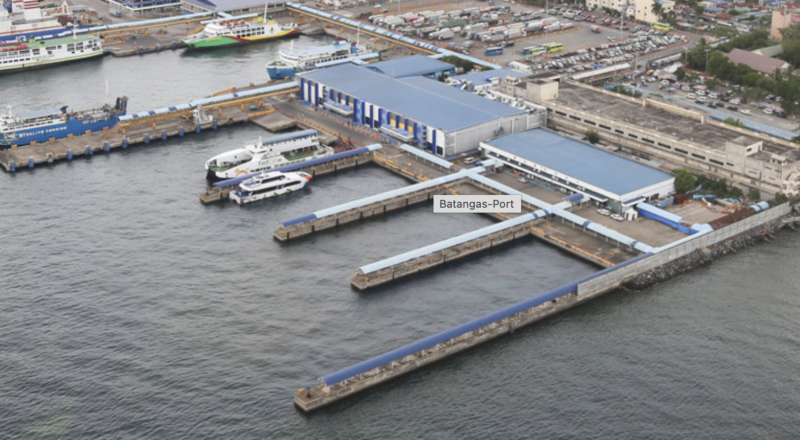
Begin by surveying current ports near the target wind zones. Evaluate water depth, quayside load-bearing capacity, turning basins, and available land area for staging. For offshore wind, ports must accommodate heavy-lift vessels and handle turbine components weighing up to hundreds of tons. In the Philippines, many ports are designed for general cargo or fishing vessels and lack the reinforced quay walls and deep channels needed. Use a detailed gap analysis to identify missing infrastructure.
Step 2: Secure Permits and Strategic Partnerships
Engage early with the Department of Energy (DOE), Department of Transportation (DOTr), and Philippine Ports Authority (PPA). Obtain necessary permits for port expansion or modification. Align with renewable energy service contracts for offshore wind. Simultaneously, form partnerships with local government units and communities to ensure social acceptance. Consider public-private partnerships to share costs and risks. Original facts: The Guimaras Strait and San Miguel Bay are among the most advanced zones, yet they lack dedicated port facilities. Securing permits now prevents delays later.
Step 3: Upgrade Port Facilities for Heavy-Lift Operations
Invest in deepening channels and berths (to at least 8-10 meters for typical installation vessels). Reinforce quay walls with concrete and steel piles to support mobile crane loads. Expand paved storage areas for turbine blades (up to 80 meters long), towers, nacelles, and foundations. Install heavy-duty bollards and fender systems. In the original text, it is noted that without such upgrades, even the most advanced wind zones cannot proceed. This step is the core of the port transformation.
Step 4: Develop Staging and Assembly Areas
Create a dedicated laydown yard near the quayside for pre-assembly of turbine components. This space should be large enough to stage multiple turbines simultaneously. Include a temporary crane pad for final assembly. For example, a port in San Miguel Bay could serve as a hub for the entire Bicol region. Ensure proper drainage and security. The staging area must also accommodate supply chain warehouses for cables, substructures, and consumables.
Step 5: Integrate Logistics for Turbine Transport
Design a logistics plan that coordinates trucking, barging, and vessel loading. Many Philippine roads and bridges are not designed for oversized loads. Therefore, consider sea-based transport directly from port to offshore site using purpose-built feeder barges or heavy transport vessels. Coordinate with the Department of Public Works and Highways to upgrade or bypass road infrastructure if needed. The original article emphasizes that ports are the missing link—without them, turbines cannot be deployed efficiently.
Step 6: Train the Workforce
Offshore wind requires specialized skills: crane operators, riggers, marine mechanics, and safety personnel. Partner with technical schools or international training providers to run certification programs. Focus on hands-on training with heavy lifting, vessel operations, and emergency response. In the Philippines, a skilled workforce is available but needs targeted upskilling. Include local community members to generate employment and local buy-in.
Step 7: Establish Maintenance and Operations Base
Once turbines are installed, ports also serve as O&M bases. Provide office space, spare parts storage, and crew transfer vessel berthing. Plan for long-term use, not just initial construction. For example, a port in Western Visayas could become a strategic hub for the Guimaras Strait wind farms. Secure lease agreements for decades to come.
Step 8: Monitor Progress and Adapt
Set up a project management office to track port development milestones. Regularly review risk factors such as weather, funding availability, and regulatory changes. Adjust the timeline as needed. The original text notes that offshore wind in the Philippines is still nascent—port development is the first critical milestone. Celebrate small wins to maintain momentum.
Tips for Success
- Start early – Port infrastructure takes 2–5 years to plan and build. Don’t wait for turbine orders.
- Think multipurpose – Design ports to serve both offshore wind and other industries (fishing, tourism) to maximize economic benefit.
- Engage communities – Hold public consultations to address concerns about environmental impact and land use.
- Leverage international best practices – Study successful offshore wind ports in Europe (e.g., Esbjerg, Denmark) and adapt to local conditions.
- Secure long-term funding – Use a blend of government grants, loans from development banks like ADB, and private equity.
- Plan for scalability – Leave room for future expansion as wind farm sizes increase beyond 1 gigawatt.
- Coordinate with grid connection – Port upgrades should align with onshore transmission upgrades to avoid bottlenecks.
By following these steps, the Philippines can unlock its vast offshore wind potential—estimated at over 170 GW—starting from the ground up with robust port infrastructure. Without ports, the turbines remain just a blueprint. With them, the energy transition can truly take sail.
Related Articles
- EU Weighs Fossil Fuel Exemptions in Methane Rules Amid Energy Security Push
- EU Faces Backlash Over Proposed Methane Rule Exemptions as Renewables Surge
- Unifying Flutter's Websites with Dart and Jaspr: A Q&A
- 10 Revelations About Self-Driving Tech: From Elon’s FSD Promises to Einride’s L4 Reality
- Environmental Groups Challenge DOE's Emergency Coal Plant Extensions in Federal Court
- Apple Wins Partial Victory in EU Trademark Battle Over Citrus-Shaped Logo
- V8 Engine Delivers 2.5x Performance Leap in Async File System Benchmark with Clever Heap Number Optimization
- Unveiling Magnetic Switchbacks: How Solar Radio Bursts Reveal Hidden Structures Near the Sun