Exploring the Moon: A Q&A with 'Pragmata' Director Yonghee Cho on Crafting Capcom's Sci-Fi Epic
In this exclusive Q&A, we dive into the creative process behind Capcom's ambitious lunar adventure, Pragmata. Director Yonghee Cho shares insights on the challenges and joys of building a brand-new universe, blending sci-fi with emotional depth, and pushing the boundaries of game design. Each question explores a different facet of the journey, from the initial spark of inspiration to the intricate details of execution.
- What inspired the lunar setting and how does it shape the game?
- What were the biggest creative hurdles in developing a new IP?
- How does Pragmata balance high-concept sci-fi with emotional storytelling?
- What role does innovation play in the game's mechanics and narrative?
- How did the team ensure the world feels resonant and believable?
- What can players expect from the final experience?
What inspired the lunar setting and how does it shape the game?
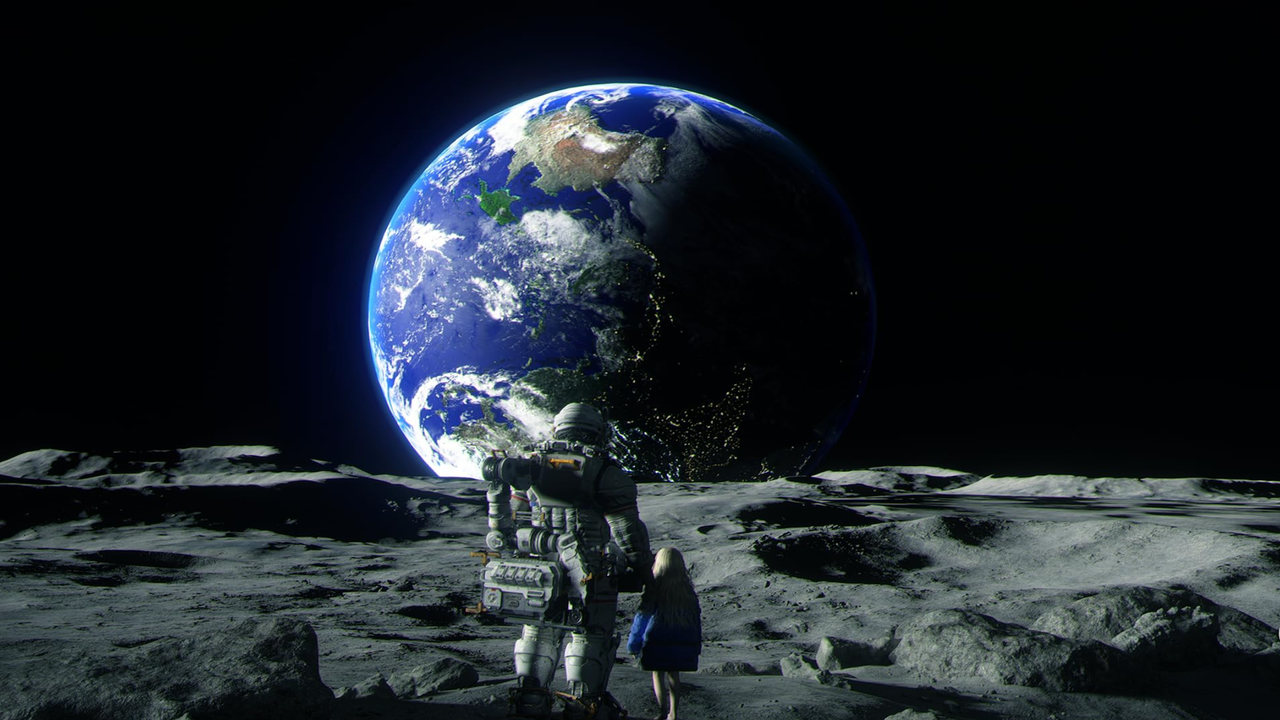
The moon has always symbolized mystery and isolation—perfect themes for a story about human connection. Cho explains that the choice was both artistic and practical: “Designing something new as a creator is incredibly exciting, but at the same time, it’s an extremely challenging endeavor.” The lunar environment allowed the team to craft a visually striking world with low gravity, stark landscapes, and a sense of awe. Every element, from physics to architecture, was reimagined for this setting, creating a foundation for gameplay and storytelling that feels fresh yet grounded.
What were the biggest creative hurdles in developing a new IP?
Starting from scratch means no established lore or player expectations to lean on. Cho notes that the team had to build everything from the ground up—art style, mechanics, and narrative—while ensuring Pragmata still felt like a Capcom game. The biggest hurdle was balancing innovation with accessibility. “The excitement of creating something new comes with the pressure to make it meaningful,” he says. Early prototypes went through many iterations to find the right mix of challenge and reward, especially in how the environment interacts with the player.
How does Pragmata balance high-concept sci-fi with emotional storytelling?
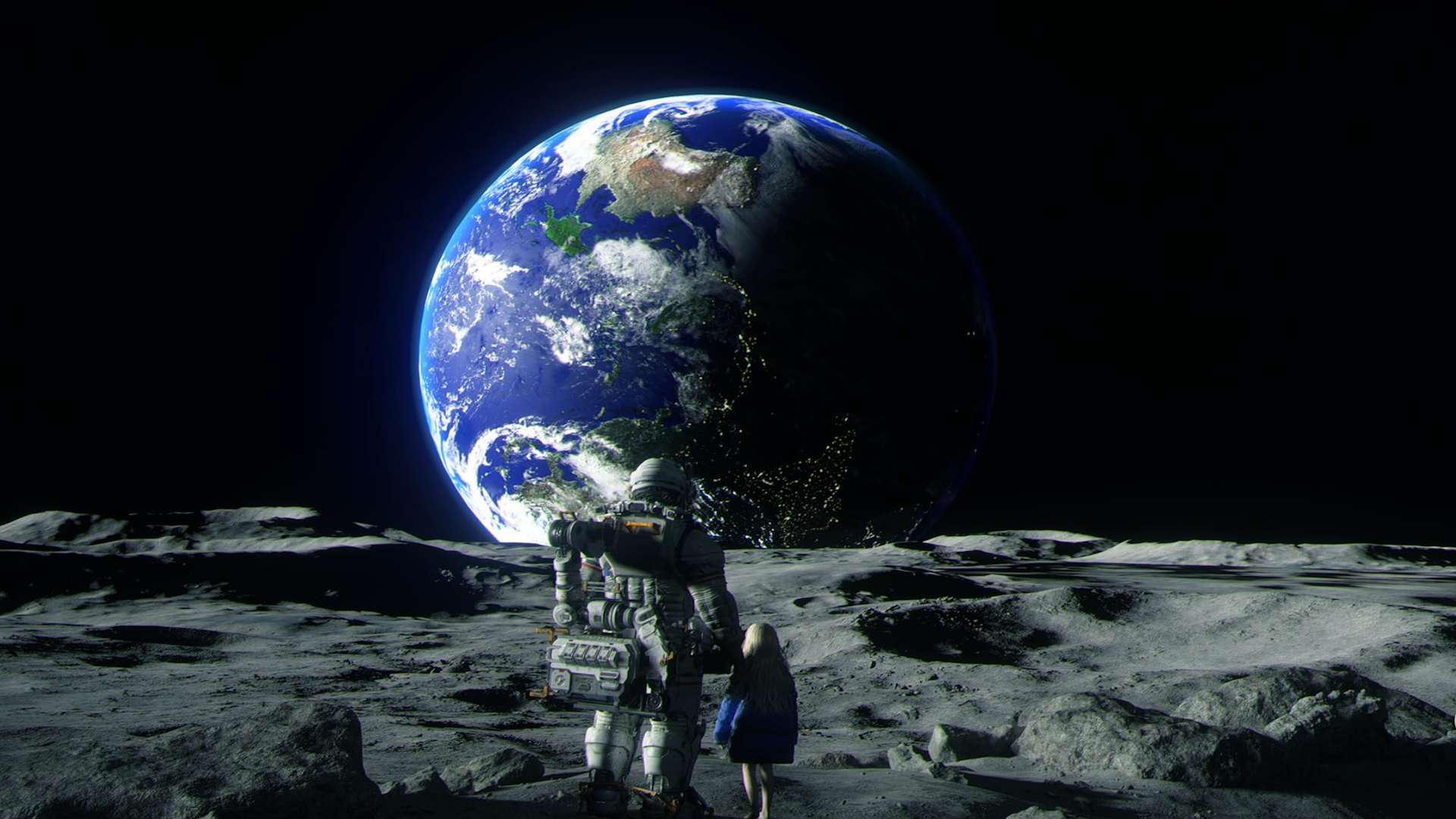
The sci-fi elements—advanced tech, lunar colonization, mysterious events—are not just window dressing. Cho emphasizes that every futuristic concept serves the emotional core: a story about a bond between a man and a mysterious girl. “Resonance comes from characters, not just ideas,” he explains. The team used the lunar backdrop to amplify feelings of loneliness and hope. Visual contrasts between cold metallic structures and warm character interactions help ground the fantastical in human experience.
What role does innovation play in the game's mechanics and narrative?
Innovation is the driving force behind Pragmata. Cho points out that while the team drew inspiration from Capcom’s legacy, they consciously avoided repeating formulas. New mechanics were designed to support the narrative—for example, gravity-altering puzzles that reflect the story's themes of change. “Every new mechanic must feel essential, not forced,” Cho stresses. The challenge was to create systems that surprise players but still feel intuitive, a delicate balance that required constant playtesting and refinement.
How did the team ensure the world feels resonant and believable?
Believability came from detail and consistency. The team researched lunar geology, space technology, and even psychology of isolation to inform the game’s world. Cho explains that small touches—like the dust behavior in low gravity or the echo of footsteps in empty corridors—build immersion. “Resonance is found in the subtle details,” he says. Additionally, the narrative ties every location to the characters’ emotional journeys, so the world never feels like a mere backdrop but an active part of the story.
What can players expect from the final experience?
Players should anticipate a mix of intense action, thoughtful puzzles, and a poignant story that lingers. Cho promises that Pragmata will challenge players intellectually and emotionally. “We want them to feel wonder, curiosity, and ultimately a connection to the characters and their world,” he says. With a focus on tight gameplay and a handcrafted narrative, Capcom aims to deliver a sci-fi adventure that feels both epic and intimate—a testament to the joy and struggle of creating something entirely new.
Related Articles
- Decoding Multi-Agent System Failures: How Automated Attribution Pinpoints the 'Who' and 'When'
- The Exodus of Educators: Unpacking the Reasons Behind the Growing Teacher Shortage
- 6 Ways Your Morning Coffee Transforms Gut Health and Brain Function
- Your Ultimate Guide to Witnessing Spain's Rare Sunset Total Solar Eclipse from Secret Spots
- Space News Q&A: Starship Updates, Blue Moon Mission, and the Golden Dome Defense Initiative
- Back to Base: 5 Key Facts About Artemis 2's Orion Capsule Return
- Environmental Progress and Setbacks: Forest Loss Decline, EU Law Changes, and India's Conservation Effort
- Step-by-Step: How NASA Gets the Roman Space Telescope Ready for Liftoff