The Strength Test That Predicts Longevity: A Step-by-Step Guide for Older Women
Overview
Staying strong may be one of the biggest secrets to living longer — especially for older women. A major study of more than 5,000 women found that simple signs of muscle strength, like a firm hand grip or the ability to quickly stand up from a chair, were strongly linked to lower risk of death over the next eight years. This guide will walk you through exactly how to measure these two critical strength indicators, what the results mean, and how you can improve your scores to boost your longevity.
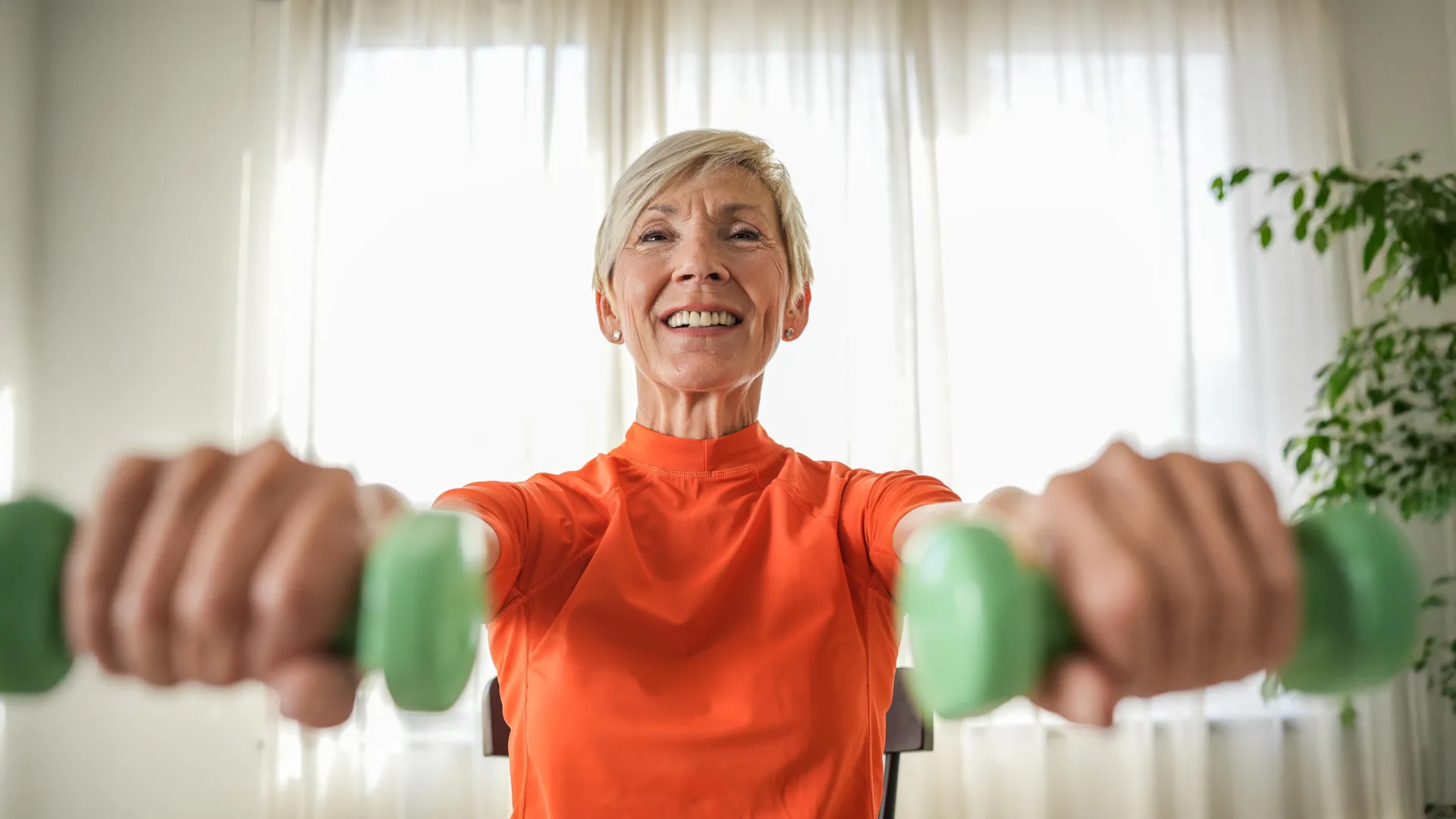
The study, published in the Journal of the American Medical Association, followed women aged 65 and older for eight years. Those with the strongest grip and fastest chair-stand times had a significantly lower mortality risk. But the good news is that these tests aren't just diagnostic — they also serve as a baseline for training. By understanding your current strength levels, you can take targeted steps to improve them and potentially extend your life.
Prerequisites
Before you begin, gather the following items and ensure you meet safety conditions.
What You'll Need
- A stopwatch or a smartphone with a timer app
- A sturdy, armless chair (seat height approximately 43–45 cm / 17–18 inches) — avoid soft, low, or wheeled chairs
- A hand dynamometer (optional but recommended for precise grip strength measurement). If unavailable, you can use a simple grip test with a rubber ball or even your own hand for a rough estimate.
- A partner to assist with timing and recording (especially for the chair stand test)
- Comfortable clothing and supportive, flat shoes
Safety Considerations
- Consult your physician before performing these tests if you have any medical conditions, such as heart disease, arthritis, or recent surgery.
- Warm up for 5 minutes with light walking or arm circles to prevent injury.
- Keep a chair nearby for support if you feel dizzy.
- Perform the tests on a non-slip surface.
Step-by-Step Instructions
Test 1: Grip Strength
Grip strength is a powerful predictor of overall muscle health and longevity. Here's how to measure it accurately.
- Prepare the dynamometer: Adjust the handle so that the second joint of your fingers rests comfortably when gripping. If using a model with a dial, reset it to zero.
- Position yourself: Sit upright in the chair with your feet flat on the floor. Keep your testing arm bent at a 90-degree angle, elbow at your side, and wrist neutral (not bent up or down).
- Perform the squeeze: On the count of three, squeeze the dynamometer as hard as you can for about 3 seconds. Do not use your other arm for support, and do not swing your body.
- Record the reading: Note the measurement in kilograms (kg) or pounds (lb). Most dynamometers show the maximum force.
- Repeat: Perform the test twice per hand, alternating hands with a 30-second rest between each squeeze. Record the best score for each hand.
Interpretation: For women aged 65+, a grip strength below 16 kg (35 lb) indicates weakness and increased mortality risk. The average for this age group is around 20–25 kg (44–55 lb). Scores above 25 kg are excellent.
Test 2: Chair Stand Test (30-Second)
This test measures lower body strength, crucial for mobility and fall prevention.
- Set up: Place the chair against a wall to prevent sliding. Sit in the middle of the seat with your back straight, feet shoulder-width apart and flat on the floor, arms folded across your chest.
- Start: Your partner will say “Go” and start the stopwatch. You will repeatedly stand up fully (knees straight) and sit back down as quickly as possible for 30 seconds.
- Count: Each full stand counts as one repetition. Do not push off with your hands or use momentum. Keep your arms crossed the entire time.
- Record: After 30 seconds, note the total number of complete stands. If you are halfway through a stand when time expires, it does not count.
Interpretation: For women 65–74, a good score is 12–14 stands per 30 seconds. For women 75–84, 10–12 stands is average. Fewer than 8 stands indicates significant weakness and higher risk.
Combining the Results
Research shows that women who score in the top quartile on both tests have the lowest mortality risk. Use your scores to set improvement goals: aim for grip strength of at least 20 kg and chair stands of at least 12.
Common Mistakes
Grip Strength Errors
- Using the wrong dynamometer position: Elbow bent at 90° and wrist straight — any deviation reduces accuracy.
- Squeezing too briefly or inconsistently: Always hold the squeeze for a full 3 seconds. A quick jerk can overestimate strength.
- Not resting between attempts: Fatigue will lower subsequent scores. Wait at least 30 seconds.
- Using a chair that's too high or low: Proper posture matters; sit so your thighs are parallel to the floor.
Chair Stand Errors
- Pushing off with hands or arms: This invalidates the test. Keep arms crossed.
- Using momentum: Avoid rocking forward. The movement should be controlled.
- Not standing fully: Slight knee bend may be counted, but you must stand up straight.
- Inconsistent chair height: Always use the same chair for future tests to track progress accurately.
Summary
Simple strength tests — grip strength and the 30-second chair stand — can predict how long you'll live, especially for women over 65. By performing these tests regularly (every 3 months), you can monitor your muscle health and take action if scores decline. Improving your scores through resistance training can directly reduce your risk of premature death. Start by testing yourself today, then incorporate exercises like squats, deadlifts, and hand grip training into your weekly routine. Remember: strength is a vital sign of longevity.
Related Articles
- Windows Update GPU Driver Downgrade: Microsoft's Upcoming Multi-ID Fix Explained
- 10 Key Updates from the Swift Ecosystem: March 2026
- Subnautica 2 Launches on GeForce NOW: Dive Into Early Access from Any Device
- Navigating Early Access: A Comprehensive Guide to Starting Subnautica 2
- How Estrogen Shapes Brain Resilience to Trauma: Insights from a New Mouse Study
- Swift 6.3 Ships with Unified Build System Across Platforms
- Rust's Mortar Mayhem and Workbench Revolution: July Update Breakdown
- Major Scientific Revelations: PCOS Renamed, Neanderthal Dentistry, and Trinity Test 'Alien' Crystal