10 Key Insights into Android's Desktop Mode for 'Googlebook' Laptops
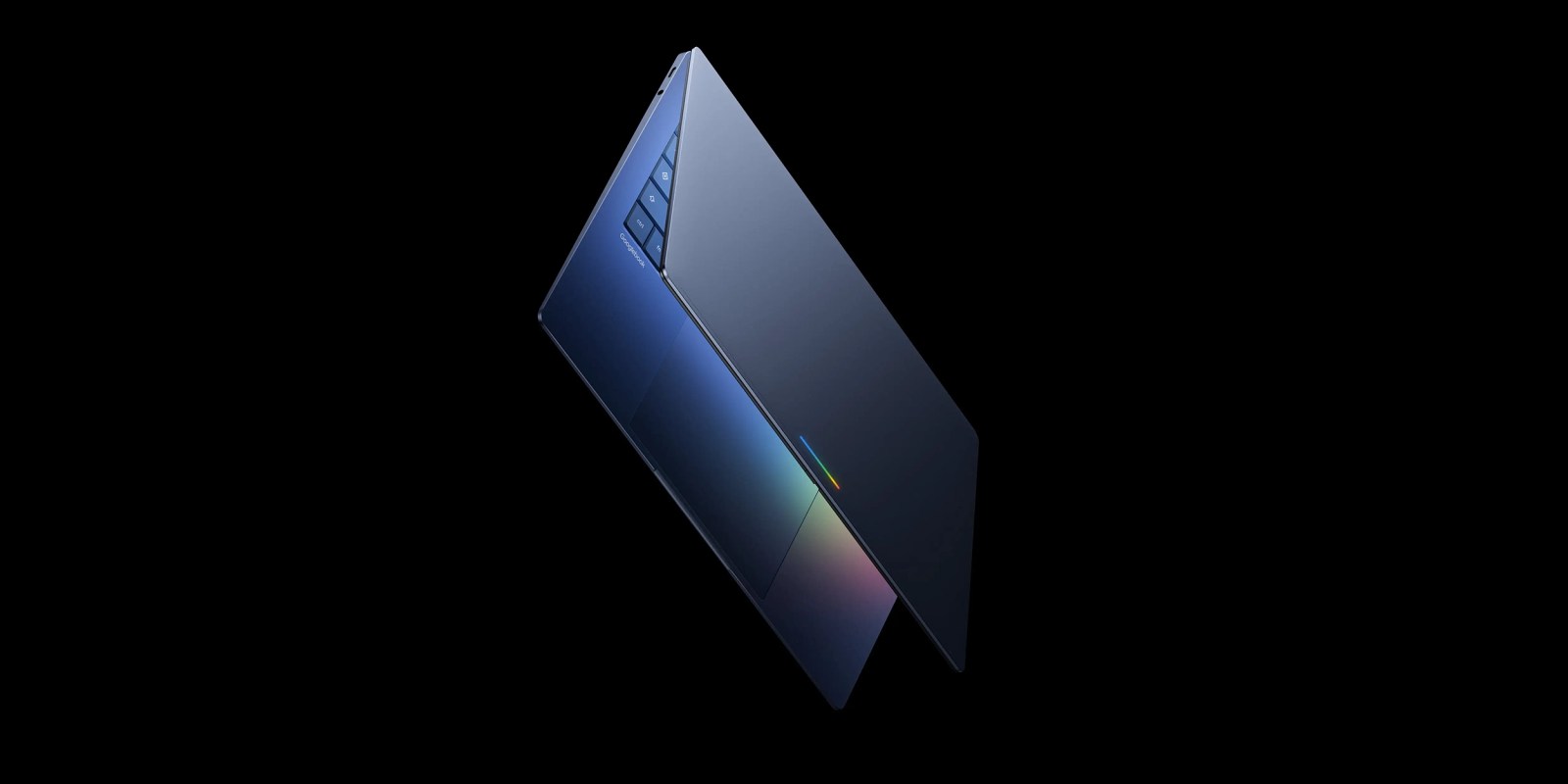
Recent leaks have unveiled an exciting new chapter for Android—a fully-fledged desktop operating system designed to power upcoming 'Googlebook' laptops. A 16-minute video showcased a range of features that blend Android’s mobile ecosystem with desktop productivity tools, bringing virtual desktops, a terminal, and more. This article dives into the ten essential things you need to know about this platform, offering a fresh perspective on how it could reshape lightweight computing.
1. Android Foundations Remain Intact
The new desktop OS doesn't abandon its roots—it builds on top of Android's core architecture. This means seamless access to millions of Android apps from the Google Play Store, with automatic scaling for larger screens. Users can run their favorite mobile apps in resizable windows, similar to Chrome OS’s Android container. The UI retains familiar Android elements like the notification shade and Quick Settings, but they're optimized for mouse and keyboard input. This foundation ensures that the platform feels instantly familiar to Android smartphone users, while expanding into laptop territory without compromising app compatibility.
2. Virtual Desktops for Multitasking
One of the standout features is native support for virtual desktops, allowing users to organize open windows across multiple workspaces. Switch between a productivity desktop with documents and spreadsheets, a communication desktop with messaging apps, and a media desktop for video playback. This brings a level of multitasking parity with Windows and macOS, which is unprecedented for Android. The video shows a simple taskbar button to add or switch desktops, making it easy to compartmentalize workflows. For power users, this could be a game-changer in staying organized without closing applications.
3. Dedicated Terminal for Developers
Developers will appreciate the inclusion of a Linux terminal application, essentially bringing a full command-line environment to the desktop. While Chrome OS already offers Linux (Crostini) support, this built-in terminal appears more tightly integrated with Android. It likely supports common tools like bash, SSH, and package managers through an underlying Linux layer. This enables coding, server management, and advanced scripting directly on the laptop, bridging the gap between mobile convenience and developer needs. The presence of a terminal also hints at deeper customization options for power users.
4. Desktop Icon and Folder Organization
Unlike traditional Android launchers with app drawers and home screens optimized for touch, this desktop mode allows free placement of app shortcuts and folders directly on the desktop wallpaper. Users can group related apps into folders, rename them, and arrange them as desired—much like on Windows or macOS. This offers a more efficient way to access frequently used applications without searching through an app drawer. The video demonstrates dragging an app icon onto another to create a folder, highlighting the intuitive drag-and-drop interaction.
5. Chrome OS-Inspired Features
The new Android desktop borrows several design cues from Chrome OS, such as a dedicated shelf (taskbar) at the bottom for pinned apps and running tasks. The system tray includes time, battery, network, and notification icons, similar to Chromebooks. There’s also support for split-screen window snapping, where dragging a window to the edge resizes it to occupy half the screen. These familiar elements should ease the transition for Chrome OS users, while offering a fresh Android-centric experience. The integration of Google services like the Google Assistant is also expected to be deep.
6. Enhanced Window Management and Resizing
Proper window management is critical for a desktop OS, and Android delivers with resizable, movable windows that can be maximized, minimized, and arranged freely. Each window has standard title bar buttons, and windows can overlap or be stacked. The system supports multiple display modes, including a 'tablet mode' that reverts to a touch-friendly layout when the screen is detached. This flexibility allows the same device to serve as a laptop with external keyboard or as a tablet, potentially competing with convertibles like the Surface Pro.

7. Smooth Performance on Low-End Hardware
The leaked video highlights that the OS runs smoothly on a relatively modest processor (likely an ARM chip), suggesting that Google is targeting affordable 'Googlebook' laptops. Android’s lightweight nature, combined with optimized kernel scheduling, promises responsive performance even with limited RAM. This could make the platform ideal for budget devices in education or emerging markets. The terminal and virtual desktops run without noticeable lag, indicating that the software is well-optimized for the hardware it’s intended for.
8. Built-in Google Ecosystem Integration
Naturally, the desktop OS integrates deeply with Google’s ecosystem. Users can access Google Drive seamlessly, with files appearing as local folders. Google Photos, Gmail, and Calendar are likely to have dedicated or web-based apps that feel native. The system may also support cross-device features like phone hub (similar to Chrome OS), letting you receive notifications, send messages, and share files with an Android phone. This tight integration creates a cohesive experience across devices, encouraging users to stay within Google’s walled garden.
9. Input Methods: Keyboard, Mouse, and Touch
The platform is designed for multiple input methods. It supports physical keyboard shortcuts (e.g., Alt+Tab for app switching, Ctrl+C/V), as well as precision trackpad gestures like two-finger scrolling and three-finger swipe to change desktops. Touch input remains fully functional, with touch-friendly hit targets in certain UI elements. The video shows using the terminal with a physical keyboard, as well as dragging windows via touch. This hybrid input support makes the OS versatile for various hardware form factors, from clamshell laptops to 2-in-1 tablets.
10. Future Availability and 'Googlebook' Launch
While no official release date has been announced, the leak suggests that the OS is nearing completion for Google-branded laptops. The 'Googlebook' line could debut as a competitor to Chromebooks, targeting consumers who want access to Android apps and a more traditional desktop interface. It remains unclear whether this will replace Android on tablets or coexist. Given the maturity of the features shown, a launch within the next year is plausible. The open question is whether Google will also make this OS available for third-party manufacturers to create 'Googlebook' alternatives.
This leaked window into Android’s desktop future reveals a promising blend of mobile app wealth and desktop productivity. With virtual workspaces, a terminal for developers, and seamless Google integration, the 'Googlebook' could carve out a unique niche. As more details surface, we’ll see if this platform truly challenges the established giants or remains a niche player. One thing is certain: Android is evolving beyond the pocket, and the desktop is its next frontier.
Related Articles
- Fonttrio: A New Open-Source Registry for Effortless Font Pairing in shadcn/ui Projects
- Navigating the Global Energy Transition: Lessons from the Santa Marta Summit and Clean Tech Trends
- Swift Expands IDE Ecosystem with Open VSX Registry Launch
- How to Prevent AI Citation Errors in Legal Filings: Lessons from the Latham & Watkins Incident
- 10 Powerful Ways Dogfooding Transforms JetBrains Developer Tools
- How IDE-Native Search Tools Boosted Agent Productivity and Cut Costs
- 5 Key Insights from ASML's New CEO Christophe Fouquet
- 10 Essential Insights into Microsoft Agent Framework for .NET Developers