Iomega's Clik! Drive: A Story of Poor Timing and an Awful Name
The Late 1990s Storage Landscape
The late 1990s were a period of rapid experimentation in portable storage. While floppy disks, CDs, and eventually USB flash drives dominate our memory, many other formats briefly flickered before fading. Among them was Iomega's Clik! drive — a product whose failure can be largely attributed to two factors: terrible timing and an even worse name.
The Rise and Fall of Iomega's Clik! Drive
What Was the Clik! Drive?
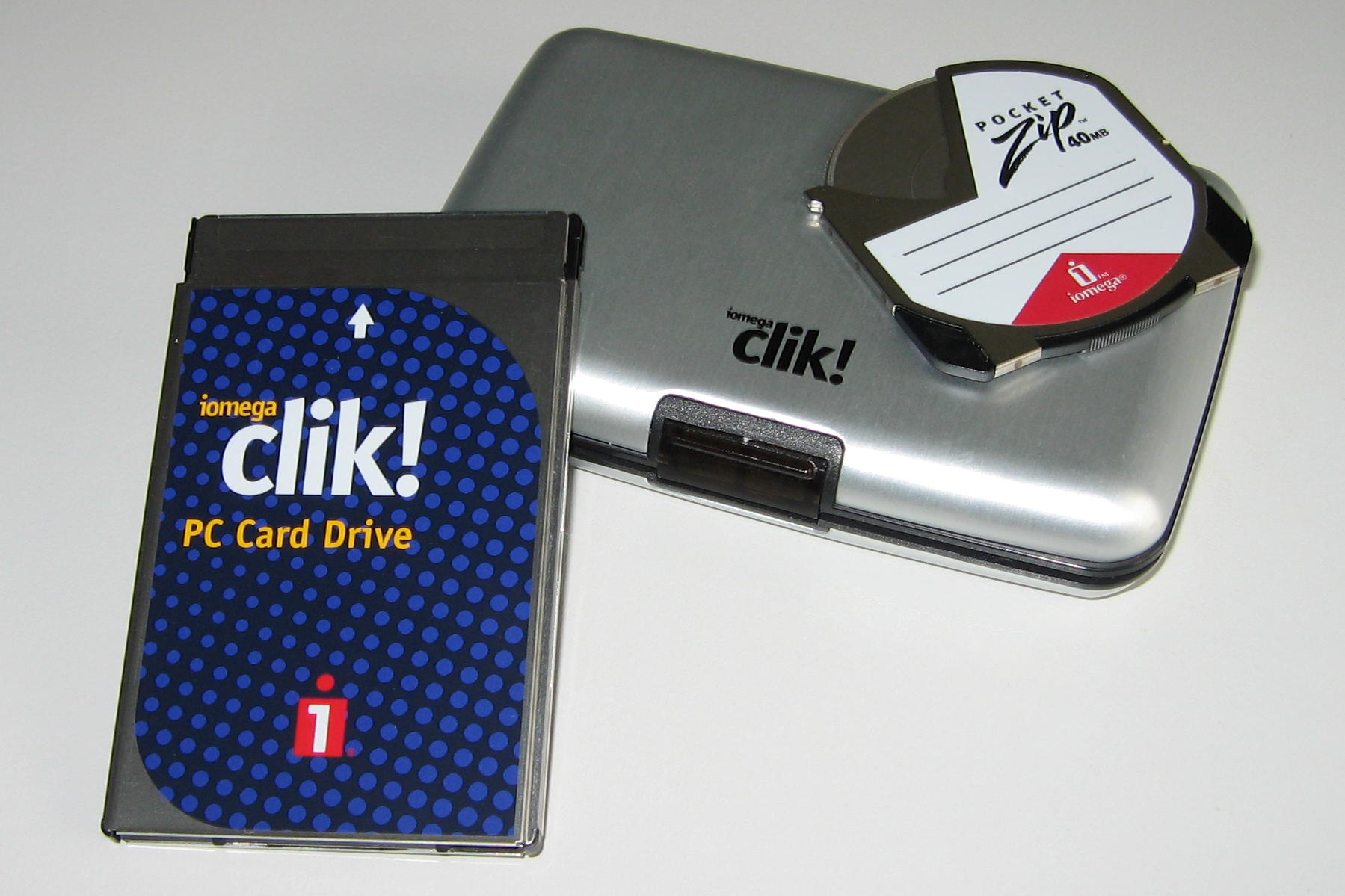
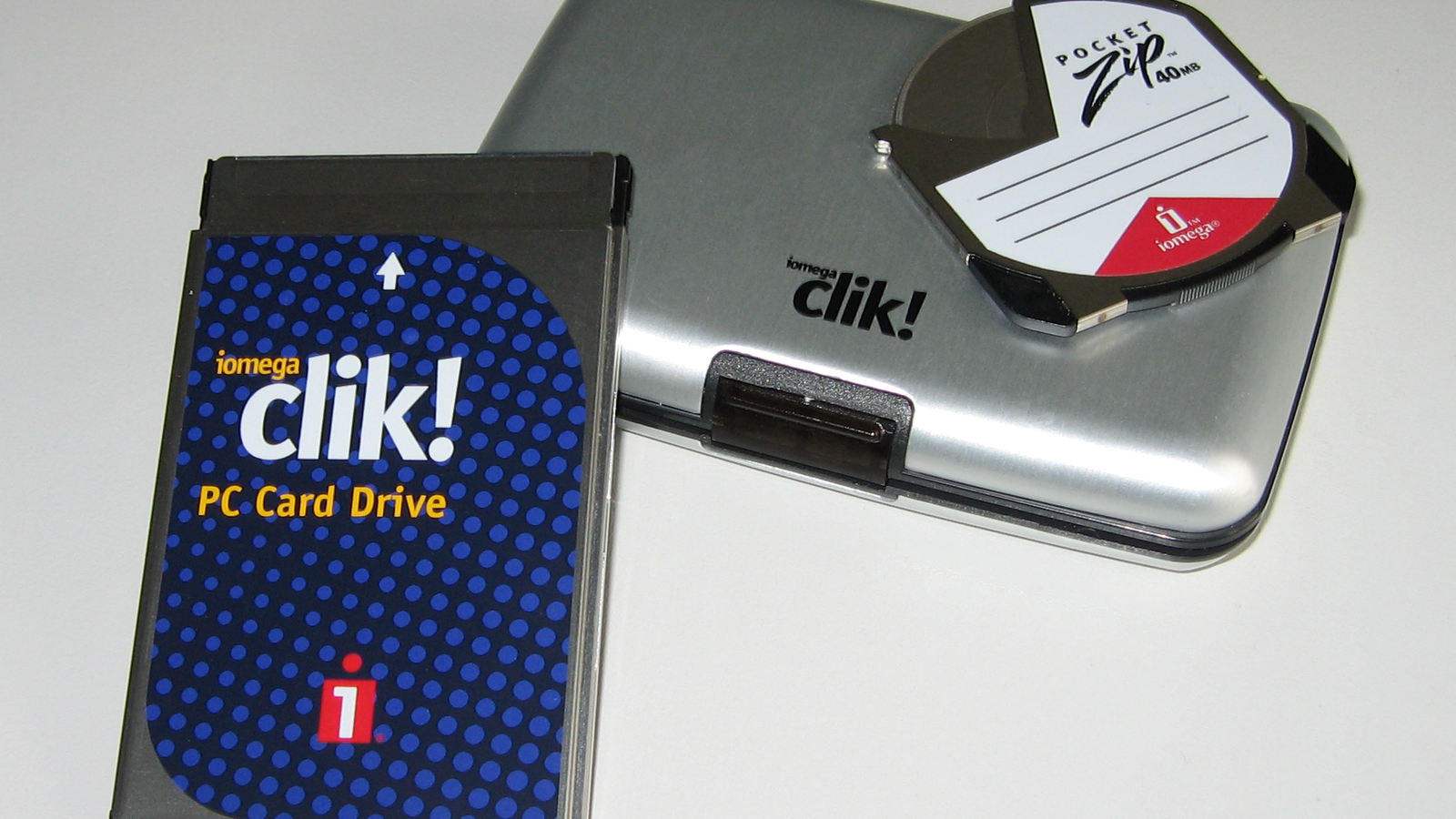
Iomega, best known for its popular Zip drive, introduced the Clik! drive in 1999. It was a compact, pocket-sized storage device using proprietary 40MB magnetic disks encased in a plastic shell — similar in concept to a miniature floppy disk. The drive itself was about the size of a pack of gum, and it was targeted at portable electronics like digital cameras and handheld PCs. At the time, such devices typically relied on expensive CompactFlash or SmartMedia cards, so a cheaper, rewritable alternative seemed promising.
Why the Name Was a Mistake
The name “Clik!” — complete with an exclamation mark and phonetic spelling — was intended to convey speed and ease of use. Instead, it came across as gimmicky and juvenile. Marketing experts later noted that the name failed to inspire confidence or convey any technical advantage. Competing products like the Zip drive, the LS-120 SuperDisk, and even the humble floppy had names that sounded at least somewhat professional. “Clik!” sounded more like a candy bar or a children's toy than a serious storage solution.
The Timing Problem
The Clik! drive launched in 1999, a year that saw the rapid adoption of USB flash drives and the first generation of affordable CD-RW drives. Meanwhile, CompactFlash and SmartMedia cards were dropping in price and increasing in capacity. The Clik! drive's 40MB capacity seemed generous in 1998 but was already obsolete by its release. Worse, Iomega's marketing push was weak, and the drive required a special adapter for each device type — a fragmentation that confused consumers. Within two years, the product was discontinued, having sold only a fraction of the expected units.
Lessons Learned from a Forgotten Format
The Importance of Branding
The Clik! drive illustrates how a product can fail not because of poor engineering, but because of poor branding. In an era when consumers were already skeptical of new storage formats (remember the Sony MiniDisc? Or the LS-120?), a name that sounds trivial can be fatal. Iomega had built its reputation on the Zip drive — a product with a strong, memorable brand. By choosing a name that seemed to mock its own seriousness, Iomega undermined its own credibility.
Innovation vs. Market Readiness
Another lesson is that innovation must align with market readiness. The Clik! drive was technically clever: its small size and low power consumption were ideal for portable devices. But the market was not yet ready to embrace yet another proprietary format. By 2000, USB flash drives were becoming ubiquitous, offering larger capacities, no moving parts, and universal compatibility. The Clik! drive's reliance on a special reader and proprietary discs sealed its fate.
Conclusion
Iomega's Clik! drive remains a cautionary tale in the history of portable storage. It had the misfortune of arriving just as the industry was moving toward standards like USB and CompactFlash. But it also suffered from self-inflicted wounds — a silly name and a half-hearted marketing effort. In the end, the Clik! drive vanished without a trace, leaving behind only the lesson that even the most innovative technology requires the right timing and a serious brand to succeed.
Related Articles
- Rust 1.94.1 Released: Patch Fixes Regressions and Security Vulnerabilities
- Curry Barker Reveals Surprising Inspiration for A24's Texas Chainsaw Massacre Reboot
- Ensuring Resilient Search: How GitHub Enterprise Server Achieved High Availability
- Forgejo Security Flaw Exposed via Unconventional 'Carrot Disclosure' – Experts Weigh In
- How to Get Ready for the Apple Watch Series 12 and watchOS 27 Launch
- How to Scale a Developer Community and Plan a Successful CEO Transition
- Moving Qubits: A Breakthrough in Quantum Dot Connectivity
- Beyond Simple Math: How Simulation Modeling Helps Solve Complex Real-World Problems