Beyond Basic Personalization: How Ecommerce Brands Can Scale Tailored Email Campaigns for Higher ROI
Introduction: The Personalization Imperative
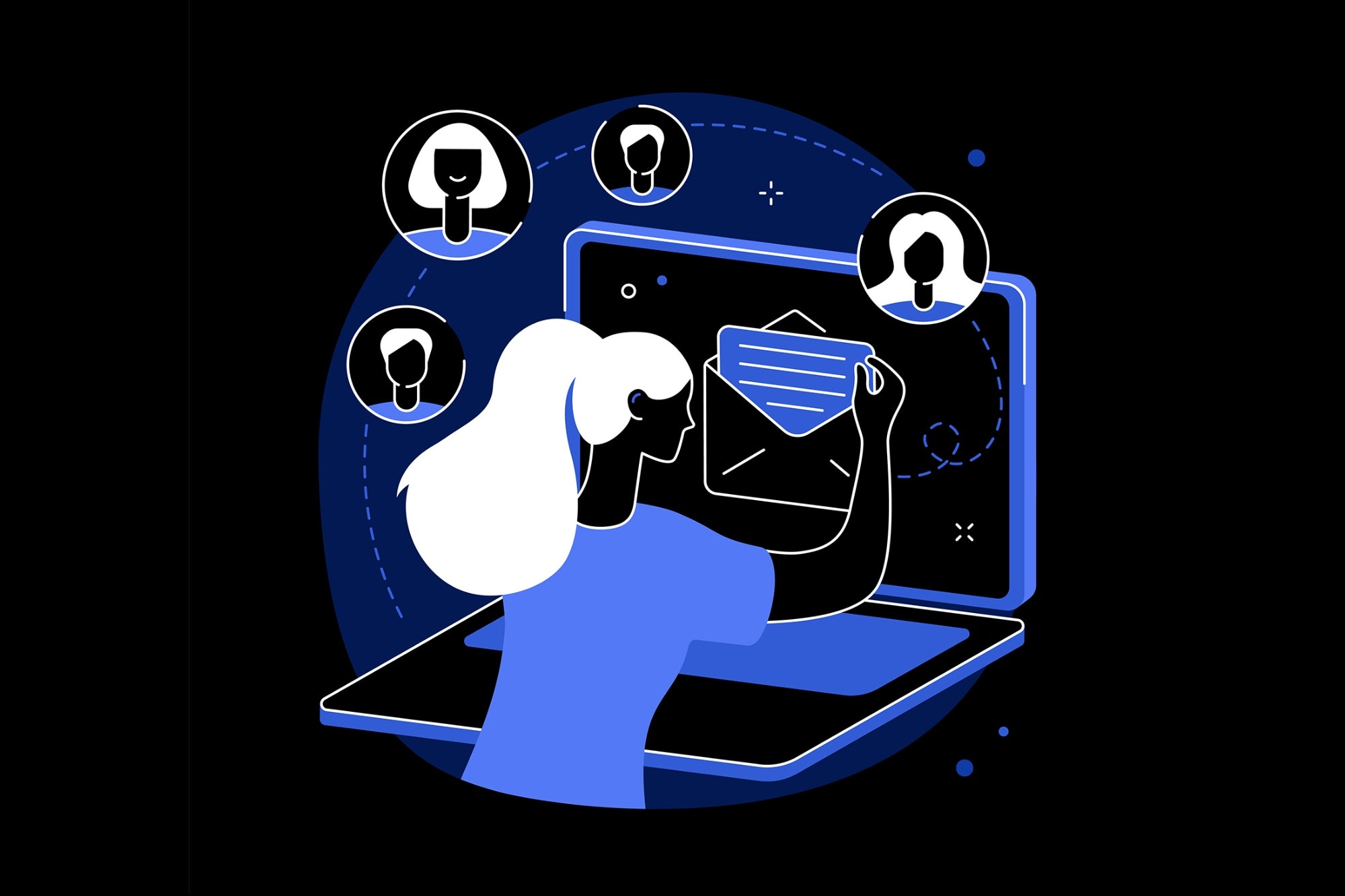
In today's crowded inbox, generic email blasts are no longer effective. Ecommerce brands that fail to tailor their messages risk low open rates, poor click-throughs, and dwindling ROI. The real game-changer lies in scaling personalization across your entire email marketing program – moving beyond simple name insertion to deliver contextually relevant content at every touchpoint.
Why Generic Emails Fail
Consumers receive dozens of promotional emails daily. A one-size-fits-all approach ignores individual preferences, purchase history, and browsing behavior. Without personalization, emails blend into noise, leading to unsubscribes and spam complaints. Conversely, personalized emails can deliver up to 6x higher transaction rates and 58% of revenue for ecommerce businesses.
The Scalable Personalization Shift
Many brands know personalization matters but struggle to implement it at scale. The shift involves moving from manual, rule-based tactics to automated, data-driven systems. This transformation requires:
- Data unification: Combine behavioral, transactional, and demographic data into a single customer view.
- Advanced segmentation: Group customers by actions, lifecycle stage, and predicted lifetime value.
- Dynamic content: Use conditional logic to swap images, offers, and copy based on each recipient.
- Machine learning: Leverage AI to predict optimal send times, product recommendations, and subject lines.
Key Elements of Scalable Personalization
1. Behavioral Segmentation
Divide your audience based on real actions: recent purchases, abandoned carts, page views, and email engagement. For example, send a 'we miss you' re-engagement sequence to inactive customers, while rewarding loyal buyers with early access.
2. Dynamic Product Recommendations
Automatically insert items the customer has viewed, bought similar to, or that complement past orders. Use collaborative filtering or rule-based engines to keep suggestions fresh and relevant.
3. Triggered Campaigns
Set up lifecycle triggers: welcome series, post-purchase follow-ups, browse abandonment, and win-back sequences. Each email should feel like a natural, timely conversation, not a mass broadcast.
4. AI-Powered Optimization
Use tools that test multiple subject lines, preview text, and send times per segment. Algorithms learn from past performance to continuously improve engagement rates.
Implementing Personalization at Scale: A Step-by-Step Guide
- Audit your data sources. Identify where customer data lives (CRM, analytics, email platform) and ensure it's clean and accessible.
- Choose an email service provider (ESP) with advanced personalization features. Look for native dynamic content, predictive analytics, and robust API integration.
- Map the customer journey. Define key stages (awareness, consideration, purchase, loyalty) and the personalized touchpoints for each.
- Build rules and test small. Start with one high-impact segment (e.g., cart abandoners) and A/B test personalization elements.
- Monitor and iterate. Track metrics like open rate, click-through rate, conversion rate, and revenue per email. Use insights to refine segments and content.
Overcoming Common Challenges
Data Silos
Break down departmental walls by centralizing customer data. Use a customer data platform (CDP) to merge online and offline interactions into unified profiles.
Privacy Compliance
With regulations like GDPR and CCPA, ensure customers have consented to data usage. Provide preference centers so they can control personalization depth.
Resource Constraints
Start small. Automate one trigger campaign first, then expand. Many ESPs offer templates and drag-and-drop editors to reduce design time.
Measuring Success: Metrics That Matter
To prove the boost in profits and engagement, focus on:
- Conversion rate per email vs. non-personalized campaigns
- Average order value (AOV) from personalized recommendations
- List engagement scores (opens, clicks, unsubscribes)
- Customer lifetime value (CLV) over time for segmented groups
Conclusion: Make the Shift Today
Personalization is no longer a nice-to-have – it's essential for ecommerce success. By moving from generic blasts to scalable, data-driven campaigns, you can significantly lift both engagement and profits. Start by evaluating your current setup, segmenting your audience, and implementing a single triggered campaign. Over time, layer in dynamic content and AI optimizations to see compounding results. The brands that embrace this shift will own the inbox – and the bottom line.
Related Articles
- Why System Tools Still Feel Like a Chore: Rethinking UX for Maintenance Software
- Transforming Facebook Groups Search: A New Era for Community Knowledge Discovery
- 7 Compelling Reasons I Swapped Google Maps for a Better Navigation App on Android Auto
- Meta Faces Greater Threat Than $375 Million Fine in New Mexico Child Safety Case
- 10 Surprising Reasons Why This Buick SUV Outshines the Acura RDX
- 10 Key Factors for a Trustworthy AI Image Workflow in Commercial Use
- Facebook Overhauls Groups Search with AI to Unlock Community Knowledge
- Breaking: Android Users Urged to Unlock Three Powerful Hidden Features in Google Search Widget