The Rise of Vibe Coding in App Development: Opportunities and Apple’s Caution
What Is Vibe Coding and Why Is It Gaining Traction?
In recent years, the term "vibe coding" has emerged alongside the rapid advancement of AI-powered chatbots. It describes a development approach where programmers use natural language prompts to generate code snippets, entire functions, or even full applications—often with minimal manual intervention. Tools like ChatGPT, GitHub Copilot, and other large language models have made it possible for non-experts to build functional software by simply describing what they want. This democratization of coding has sparked a wave of creativity in the App Store economy, enabling hobbyists and small teams to produce apps faster than ever before.
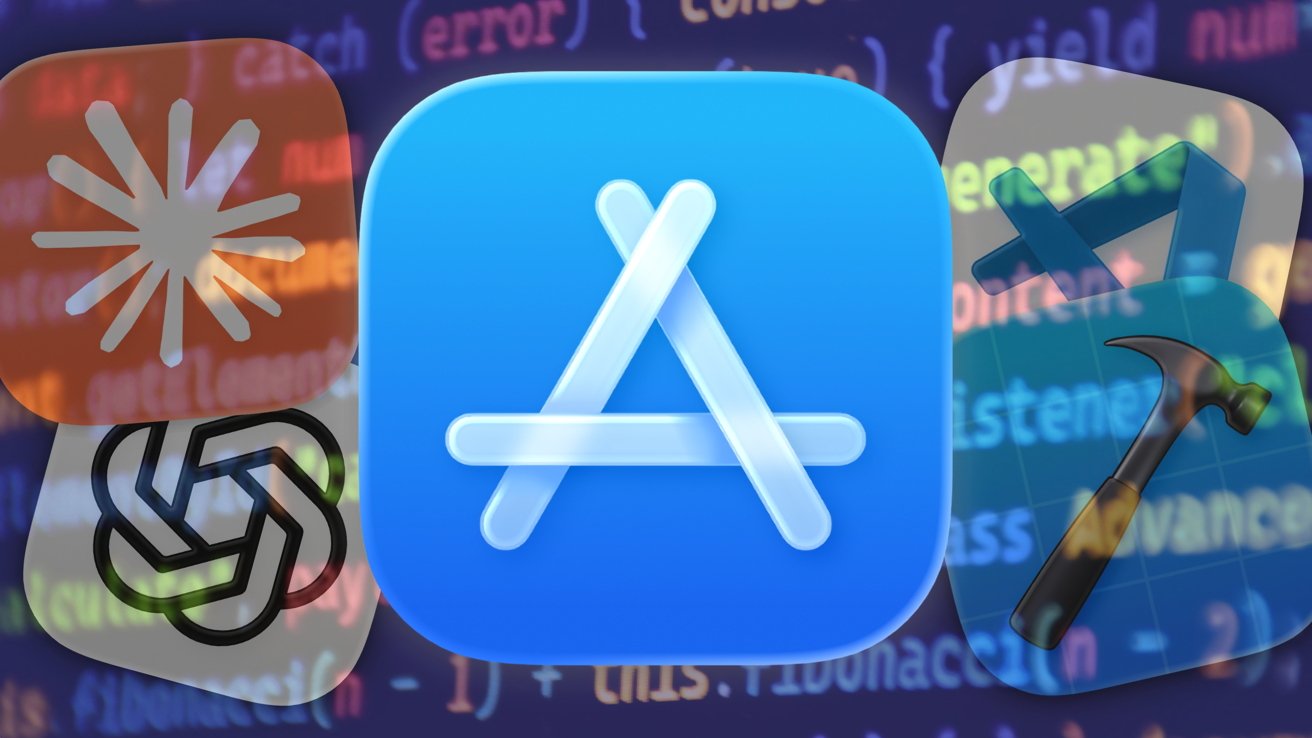
Vibe coding is particularly appealing for prototyping and simple utility apps. Instead of spending hours debugging syntax or researching APIs, developers can ask an AI to produce a drop-in solution. The result is a dramatically shortened development cycle, which has led to a surge in app submissions to platforms like Apple’s App Store. However, this ease of use comes with a set of challenges that Apple is watching closely.
Where Vibe Coding Works Well
Rapid Prototyping and MVPs
For minimum viable products (MVPs) and proof-of-concept apps, vibe coding is a game-changer. A developer can iterate on ideas within hours, testing market viability before committing to a full-scale build. Startups and independent developers often rely on this speed to launch quickly and gather user feedback.
Personal and Niche Apps
Individuals wanting to create personalized tools—like a to-do list with a unique interface, a habit tracker, or a custom calculator—can use vibe coding to bypass the steep learning curve of traditional programming. These small-scale apps rarely require complex security or performance optimizations, making them ideal candidates for AI-generated code.
Educational Purposes
Vibe coding also serves as a learning aid. Beginners can see how code is structured and learn by example, improving their own skills over time. Many online courses now incorporate AI-assisted coding exercises to bridge theory and practice.
The iPhone Problem: Why Apple Is Cautious
Despite the benefits, Apple has expressed wariness about vibe coding—especially when it comes to creating apps directly on an iPhone without proper oversight. The company’s primary concern is quality control and security. Apps generated through vibe coding often lack the rigorous testing and human review that Apple has long required for App Store approval. Even with automated checks, subtle bugs or security vulnerabilities can slip through, potentially harming users or exposing unpatched weaknesses.
Safety and Privacy Risks
AI-generated code may inadvertently include insecure patterns—such as hardcoded credentials, improper permission handling, or vulnerable data storage methods. Since the AI is trained on public codebases, it can reproduce known vulnerabilities without understanding their context. Apple’s strict privacy guidelines demand that apps handle user data responsibly, and vibe-coded apps may not meet those standards without additional manual intervention.
Lack of Ownership and Maintainability
Another issue is the long-term maintainability of vibe-coded apps. When developers rely on black-box code generation, they may not fully understand the logic, making it difficult to fix bugs, add features, or migrate to new iOS versions. Apple values app longevity and consistency; apps that break with a system update reflect poorly on the ecosystem.

Oversight and Accountability
Apple has built its reputation on a curated App Store where every submission is reviewed by human or automated processes. Vibe coding challenges this model because it can produce code that appears functional but behaves unexpectedly under certain conditions. The company is wary of losing control over the quality signal that its review process provides. As a result, while vibe coding is not banned, Apple is actively exploring safeguards—such as requiring additional documentation or sample usage logs—to ensure that apps built this way still meet the store's standards.
Striking the Right Balance
Apple faces a delicate balancing act. On one hand, the App Store economy thrives on innovation from independent developers—many of whom now use AI tools to accelerate their workflow. Banning vibe coding outright would alienate a growing segment of creators and could push them to competing platforms like Android. On the other hand, relaxing quality standards risks flooding the store with low-quality or insecure apps, damaging user trust.
The company's approach appears to be one of measured acceptance: allow vibe coding for apps, but limit its use for creating apps directly on an iPhone without oversight. This means AI-generated code will still need to pass the traditional review process, and Apple may add extra scrutiny for apps that appear to be almost entirely AI-produced. Developers would be wise to treat vibe coding as a productivity booster rather than a replacement for solid engineering practices.
Looking Ahead
As AI models become more sophisticated, the line between human-written and AI-generated code will blur further. Apple's current stance suggests it will continue to monitor the situation closely, possibly introducing new review requirements or developer guidelines specifically for AI-assisted creations. For now, vibe coding remains a powerful tool—but one that must be wielded with care, especially on a platform as curated as Apple’s.
Innovation and safety can coexist, but it requires a thoughtful framework that encourages creativity without sacrificing quality. Developers who take the time to review, test, and maintain their vibe-coded apps will thrive, while those who rely solely on AI-generated shortcuts may find their apps rejected or abandoned. Ultimately, the future of vibe coding in the App Store will depend on how well the community—and Apple—adapts to this new paradigm.
Related Articles
- Google Reduces Free Storage to 5GB for New Accounts: What You Need to Know
- iOS 27 Set to Overhaul Liquid Glass Design with Streamlined App Interfaces
- Decoding Apple's Record Quarter: A Guide to Product Success and Supply Chain Realities
- Apple's Strategic Delay of iPhone 18 Revealed: Leaker Details Market-Driven Pause
- The Privacy Boost Hiding in Apple's iPhone 18 Modem Upgrade
- React Native 0.81: Key Updates for Android 16, iOS Builds, and Deprecations
- 10 Hidden iPhone Features That Will Transform Your Daily Use
- 5 Things You Need to Know About Nothing's Latest Pokémon Teaser and the Ear Open