Autonomy Showdown: Tesla's FSD Promise vs. Einride's Real-World L4 Trucks
In the race toward autonomous driving, two very different approaches are capturing headlines. Tesla CEO Elon Musk has made repeated promises that Full Self-Driving (FSD) will be ready by year's end—now for the tenth time. Meanwhile, Swedish startup Einride is already operating Level 4 (L4) autonomous electric trucks on real roads, moving freight without a human behind the wheel. This contrast raises important questions about what autonomy actually means today and who is truly leading. Below, we break down the key differences, the technology, and the business realities.
1. What is the difference between Tesla's FSD and Einride's autonomous system?
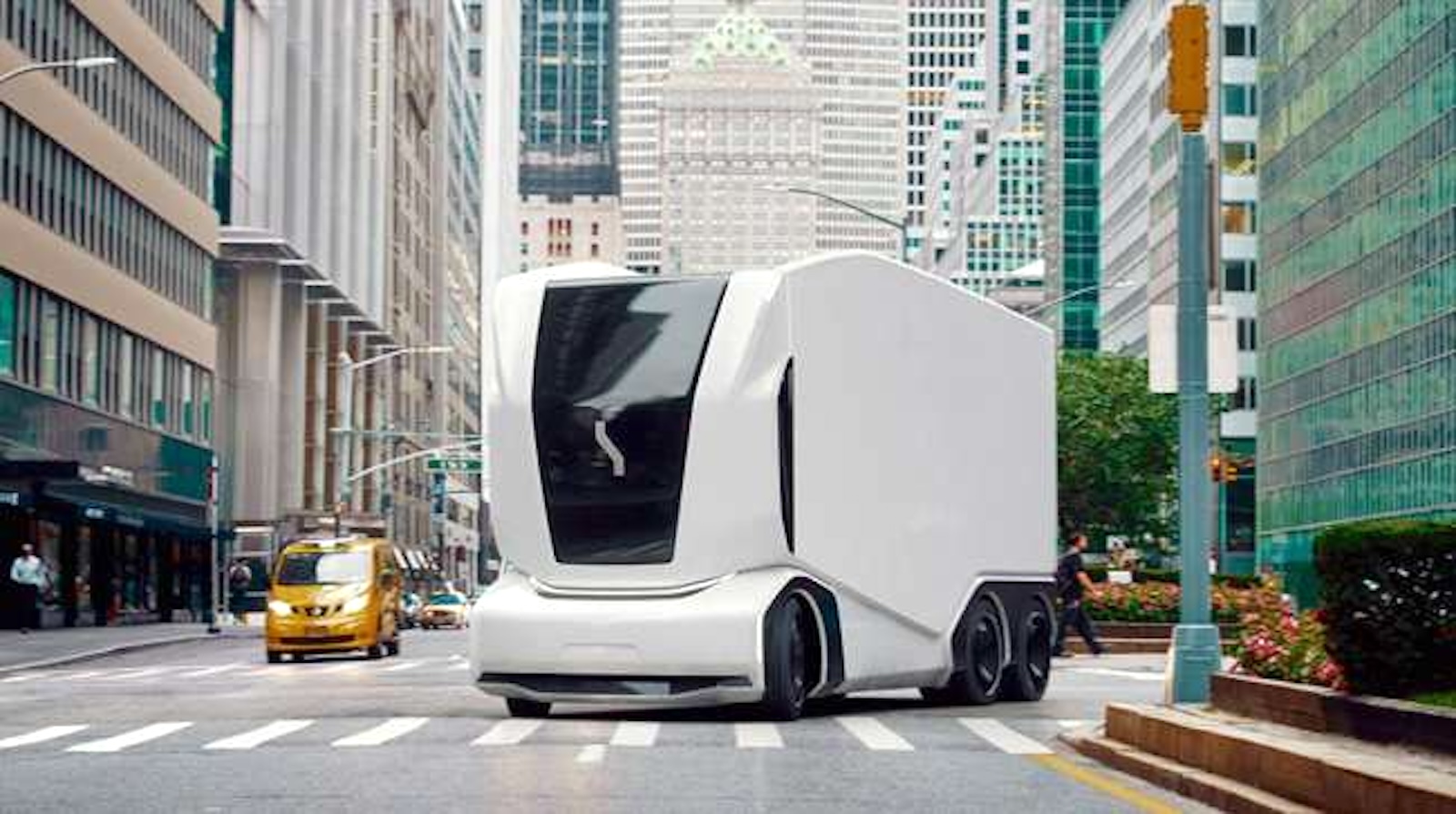
Tesla's Full Self-Driving (FSD) is a driver-assistance suite designed for passenger cars. It is currently classified as a Level 2 system, meaning the driver must remain attentive and ready to take over at any moment. Despite the name, FSD does not enable unsupervised autonomous driving. In contrast, Einride's autonomous trucks operate at Level 4, which means the vehicle can handle all driving tasks in specific conditions (e.g., predefined routes, good weather) without any human intervention. The Einride system uses a remote monitoring center for oversight, but the truck can drive itself from depot to depot.
2. How is Einride already delivering Level 4 autonomy while Tesla is still promising FSD?
Einride focuses on a narrow but commercially viable use case: freight transportation on fixed, well-mapped routes between logistics hubs. By limiting operational design domain (ODD), the company can deploy L4 safely today. Their electric trucks are equipped with lidar, cameras, and radar, and they operate in low-speed, controlled environments such as warehouse yards or short highway stretches. Tesla, by contrast, aims for a general-purpose FSD that works on any road, in any condition—a far more complex challenge. This broader ambition requires years of validation and regulatory approval, which is why Tesla has not yet delivered an unsupervised system.
3. Why has Elon Musk repeatedly claimed FSD will arrive "by year's end"?
Musk's optimistic timelines are part of Tesla's strategy to push development and maintain investor excitement. The company collects extensive real-world driving data from its fleet and uses over-the-air updates to improve the software incrementally. However, critics argue that these repeated promises erode credibility. The tenth iteration of the "by year's end" claim suggests that Tesla underestimates the challenges of edge cases and regulatory hurdles for full autonomy. While FSD has improved, it remains a supervised system that cannot yet handle all scenarios without driver intervention.
4. What role does remote operation play in Einride's autonomous trucking?
Einride employs a Remote Operation Center where human operators monitor multiple trucks simultaneously. If the vehicle encounters a situation it cannot handle—like an unusual obstacle or a system failure—the remote operator steps in to guide it through, or puts the truck into a safe stop. This hybrid model is a pragmatic approach to L4 autonomy because it allows the trucks to operate without a driver inside the cab, yet still has human oversight for safety. The remote operators can take control when needed, effectively reducing the need for on-board safety drivers while maintaining high reliability.

5. Which company is further ahead in the self-driving race: Tesla or Einride?
It depends on how you define "ahead." In terms of delivering a commercially available autonomous system that removes the human driver, Einride is clearly ahead. Its L4 trucks are already moving freight for customers like GE Appliances and Lidl. Tesla, meanwhile, has not yet released a Level 3 or Level 4 system for any vehicle. However, Tesla's FSD Beta is available to tens of thousands of drivers and collects massive amounts of diverse driving data. If Tesla eventually solves full autonomy, it could leapfrog many competitors because of its software iteration speed and network. But for now, Einride has the actual product in the field.
6. What are the biggest challenges each company still faces?
Tesla's main challenge is safely and reliably handling all driving situations without human supervision. This requires solving perception, decision-making, and edge cases across millions of miles of varied roads. Regulatory approval for unsupervised FSD is also a huge hurdle. Einride's challenges are different: scaling its ODD-limited approach to more routes, reducing remote operator intervention rate, and convincing large fleets to adopt a new hardware platform. Additionally, Einride must compete with established trucking giants like Waymo Via and TuSimple. However, by focusing on specific depots and routes, Einride has a clear, short-term path to revenue—something Tesla still lacks in full autonomy.
Related Articles
- Trump Falsely Claims UN Climate Panel ‘Admitted’ Key Emissions Scenario Was Wrong
- The Resurgence of Customization: Windows 11 Taskbar Tweaks, a RISC‑V Router Campaign, and an E Ink Color Development Kit
- How to Navigate Nissan's Shift from Electric Vehicles to Gas-Powered Trucks in the U.S.
- Unveiling the Tesla Semi's Battery Specs: A Complete Guide to the 822 kWh and 548 kWh Packs
- 7 Key Insights into Tesla China's April Sales: Why the 36% Surge Story Was Misleading
- Volkswagen’s Electric GTI Clubsport: A Deep Dive into the New Era of Electric Hot Hatches
- How to Coordinate Electric Bus Donations for Humanitarian Aid: A Step-by-Step Guide
- May 2026 Desktop Wallpapers: Fresh Inspiration from Global Artists