Mastering Google's AI-Powered Search: A Comprehensive Guide to the Latest Upgrades
Overview
At Google I/O on May 19, the company announced what it's calling the Search box's 'biggest upgrade in over 25 years'—a complete AI overhaul that redefines how users interact with search results. This guide breaks down the key changes, from generative AI summaries to conversational search, and provides step-by-step instructions to help you make the most of these new features. Whether you're a casual user or a digital marketer, understanding these updates is essential for navigating the future of online search.

Prerequisites
To fully experience Google's AI search upgrades, you'll need:
- A modern web browser (Chrome, Edge, Firefox, or Safari).
- A Google account (some features may require opt-in via Search Labs).
- Basic familiarity with standard Google search operations.
- Optional: Google Bard access for enhanced AI interactions.
Step-by-Step Instructions with Code Examples
1. Enabling AI-Powered Search Features
Google's new AI capabilities are rolling out gradually. To access them:
- Open a browser and navigate to Google Search Labs.
- Sign in with your Google account.
- Click 'Join waitlist' for the Search Generative Experience (SGE).
- Once approved, toggle the SGE experiment on.
Tip: You can also enable 'AI Overviews' directly from the search settings under 'Experiments'.
2. Performing Searches with AI Overviews
After activation, a standard search query like 'best hiking trails for beginners' may return an AI-generated snapshot at the top. Here's what to expect:
- A concise summary with bullet points.
- Clickable links to sources.
- Follow-up questions to refine your search (e.g., 'Which trail has the least elevation gain?').
Example interaction:
User Query: 'How to propagate succulents'
AI Overview: 'Succulents can be propagated via stem cuttings, leaf cuttings, or offsets. For succulents like jade, take a 3-4 inch cutting, let it callous for a few days, then plant in well-draining soil. Source: Gardener's Path (link)...'
3. Using Conversational Search (SGE)
This feature allows a dialogue-like experience. To start:
- Perform any search.
- Look for the 'Ask a follow-up' text box or the 'Conversational view' button in the AI snapshot.
- Type a follow-up question, e.g., 'What kind of soil should I use?'.
- The AI will respond with additional context, maintaining the thread.
To exit conversational mode, click the 'X' button on the AI card.
4. AI in Shopping and Local Search
Google's AI also enhances product search and local queries. For example:
- Product search: Search 'best noise-canceling headphones under $200'. The AI will list recommendations with pros/cons, price ranges, and review summaries.
- Local search: Query 'things to do in San Francisco with kids'. The AI provides a curated list based on location and reviews, plus Google Maps links.
5. Integrating with Google Bard
Bard (now Gemini) serves as a complementary AI assistant. To use it alongside search:
- Visit bard.google.com.
- Ask a complex question like 'Compare the environmental impact of electric cars vs. hybrids'.
- Bard will generate a response and include clickable 'Search for more' links that open relevant Google search results.
This synergy allows you to get both a synthesized answer and direct access to source material.
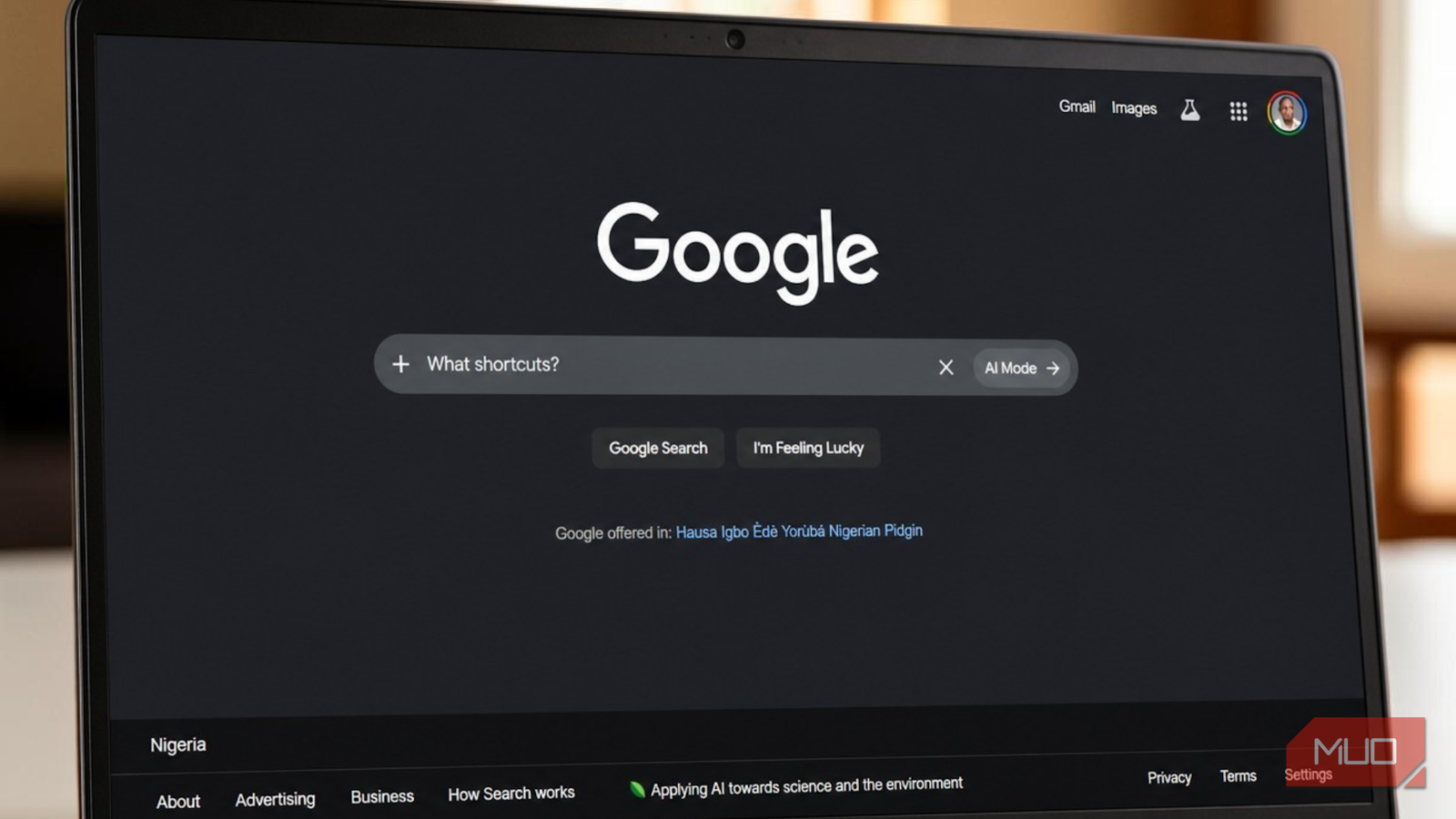
6. Customizing AI Result Preferences
You can control how AI interacts with your searches:
- Go to Settings > Search Settings > AI Overviews.
- Toggle 'Show AI overviews on all searches' or select 'Only for certain queries'.
- For higher precision, enable 'Verify with sources' to always see citations.
Common Mistakes and How to Avoid Them
Mistake #1: Assuming AI Overviews Are Always Accurate
AI-generated summaries can contain errors or outdated information. Always verify critical facts by clicking the source links provided. Google explicitly labels summaries as 'experimental', so treat them as starting points, not definitive answers.
Mistake #2: Not Using Follow-Up Questions
Many users treat AI search like standard query-and-done. The real power lies in the conversational follow-ups. Don't settle for the first snapshot; drill down by asking for specifics, comparisons, or exceptions.
Mistake #3: Overlooking Citation Visibility
The AI snapshot may hide sources behind a small arrow. Always expand to see where information comes from. This is crucial for credibility, especially for health, finance, or academic research.
Mistake #4: Forgetting to Toggle Off for Routine Searches
If you only want quick links (e.g., 'Gmail login'), AI overviews can slow you down. In Search Settings, turn off AI overviews for simple navigational queries, or use the 'Web' filter tab to bypass AI.
Mistake #5: Using Bard as a Direct Search Replacement
Bard's responses can be less structured than search results. Use Bard for ideation or comparison, but rely on standard search when you need precise, up-to-date information from specific sites.
Summary
Google's AI overhaul—its biggest in 25 years—introduces generative summaries, conversational search, and deeper integration with tools like Bard. By enabling SGE, experimenting with follow-ups, and customizing result preferences, you can dramatically improve search efficiency. Remember to cross-check AI outputs and disable the feature when speed is needed. These updates mark a new era in human-computer interaction, putting AI at the center of information discovery.
Related Articles
- Move Beyond Generic Emails: The Personalization Strategy That Drives Profits and Engagement
- The Eternal Icon: How to Keep a Deceased Celebrity's Brand Alive
- Building Amiable Online Communities: Insights from the Vienna Circle
- 10 Things You Need to Know About Google's Antigravity 2.0 Rebrand
- Ultrahuman Ring PRO Returns to Kickstarter with Extended Battery Life and Titanium Build
- How a 1920s Viennese Coffee Circle Holds the Key to Fixing Today's Hostile Web
- Blind Taste Test Crowns Cream of Kentucky Small Batch as 2025's Top Bourbon - Under $70
- From Chore to Choice: A UX Designer’s Guide to Transforming System Tools