Samsung Galaxy S27 Ultra Camera Overhaul: Dropping the 3x Telephoto for a Triple-Lens System
Introduction: A Major Shift in Samsung's Ultra Camera Strategy
Recent leaks and reports suggest that Samsung's next flagship, the Galaxy S27 Ultra, may undergo a significant camera redesign. According to insider information, the device could abandon the long-standing quad-camera setup—including the often-criticized 3x telephoto lens—in favor of a triple-camera system. This move aims to streamline the photography experience while enhancing key areas: a revamped main sensor with variable aperture and a dramatically upgraded 5x periscope lens, now boasting a 200-megapixel sensor. While this sounds impressive on paper, the decision raises questions for photography enthusiasts who have come to value high-quality mid-range telephoto options.
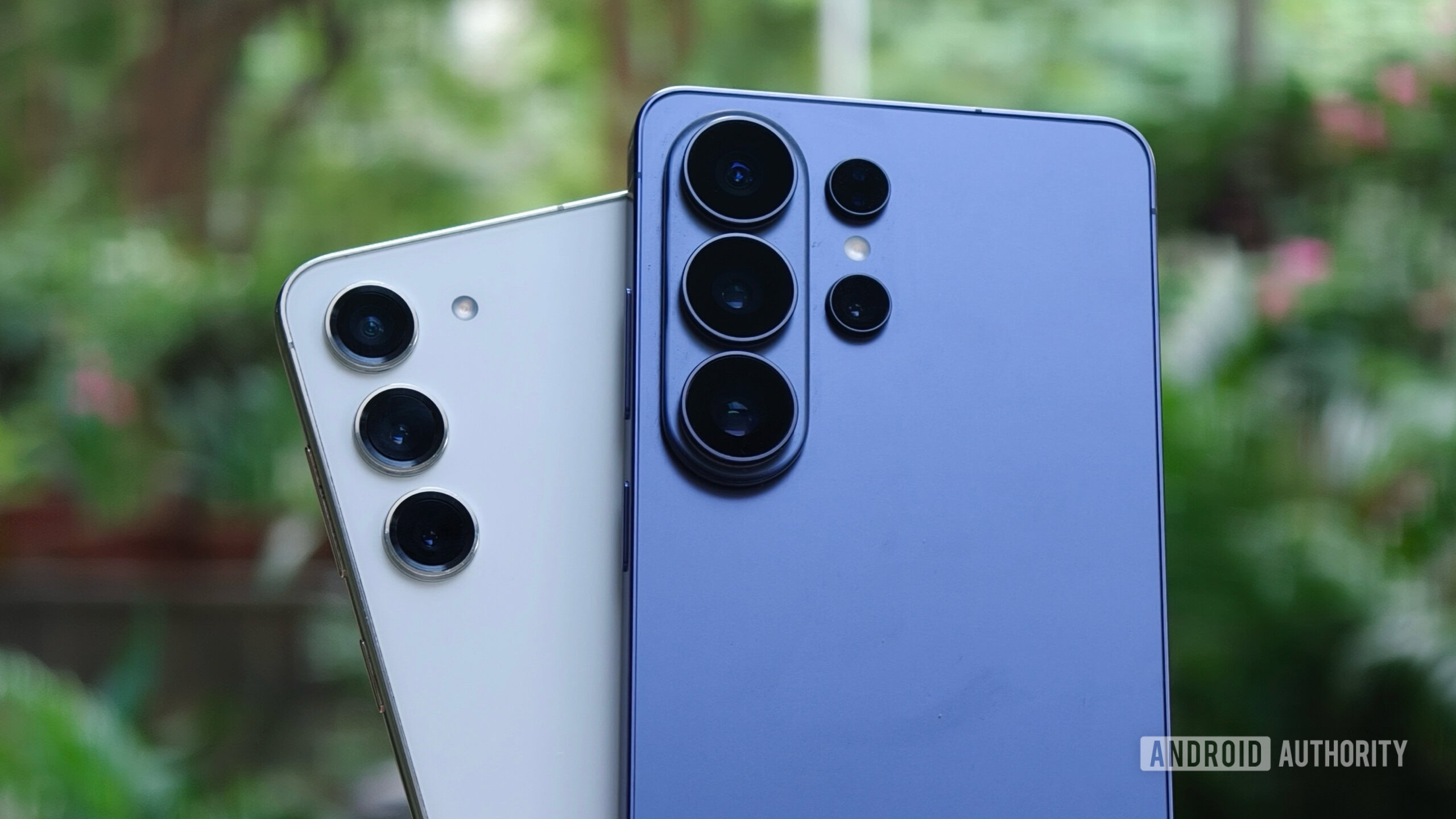
The Shift to Triple Cameras: Why Samsung is Dropping the 3x Telephoto
Samsung's Ultra line has traditionally featured four rear cameras: a main wide-angle, an ultrawide, and two telephoto lenses (3x and 5x or 10x). The 3x lens, often considered the 'weak link,' has received mixed reviews. Critics point to its limited detail capture, poor low-light performance, and general noise issues, making it less useful for serious photography. By removing this lens, Samsung can free up internal space and allocate resources to improve other components.
Variable Aperture Returns to the Main Camera
One of the most exciting rumored upgrades is the reintroduction of a variable aperture on the main wide-angle camera. This feature, last seen on the Galaxy S9/S10 series, allows the camera to physically adjust the size of its lens opening. In bright conditions, a smaller aperture (e.g., f/2.4) can increase depth of field and sharpness, while in low light, a larger aperture (e.g., f/1.5) lets in more light for brighter, less noisy shots. Combined with a higher-resolution sensor and improved processing, this could significantly enhance everyday photography.
Supercharged 5x Telephoto: 200 Megapixels for Distant Detail
The remaining telephoto lens—the 5x periscope zoom—is said to receive a massive sensor upgrade to 200 megapixels. This would allow for extreme detail when zooming into distant subjects, and likely support for high-quality hybrid zoom up to 10x or beyond. Such a sensor could also enable better cropping and digital zoom performance, potentially compensating for the loss of the dedicated 3x lens. However, the quality of this lens will depend on Samsung's pixel-binning and image processing algorithms.
Photographers’ Concerns: Is Losing the 3x Lens a Mistake?
While Samsung may view the 3x lens as redundant, many photographers have come to appreciate higher-quality 3x zoom lenses found on competing devices. Brands like Apple, Google, and Xiaomi have invested in excellent mid-range telephoto sensors that excel in portraiture and general-purpose zooming. The 3x focal length (around 70-80mm full-frame equivalent) is ideal for flattering portraits, street photography, and separating subjects from the background. A dedicated 3x sensor with large pixels can deliver clear, well-lit shots even in challenging conditions.
The Promise of Digital Zoom Alternatives
Samsung may argue that the new 200MP 5x lens can produce excellent 3x-like results via cropping or computational zoom. However, optical zoom generally outperforms digital zoom in terms of detail and color accuracy. For users who frequently shoot at that specific focal length, losing an optical 3x lens could be a dealbreaker. Photographers who rely on a dedicated telephoto for portraits might find the S27 Ultra less appealing if the cropped output does not meet expectations.

What This Means for the Galaxy S27 Ultra's Photography Capabilities
The planned camera overhaul indicates Samsung is prioritizing versatility and innovation over tradition. By combining a variable aperture main sensor with a high-resolution telephoto, the company aims to cover a wider range of shooting scenarios with fewer lenses. This could lead to a more compact camera bump and potentially lower manufacturing costs. However, success hinges on how well the new main sensor handles various lighting conditions and whether the 200MP telephoto can deliver consistent results across its zoom range.
Comparison with Competing Flagships
Other flagship phones, such as the iPhone 16 Pro Max and Google Pixel 9 Pro, maintain dedicated 3x or 5x telephotos with proven performance. If Samsung drops the 3x lens, it will need to ensure that its digital or hybrid zoom at that range is at least as good—if not better—than these competitors. Early adopters will closely examine sample photos to see if the trade-off is worthwhile.
Conclusion: A Risky Move That Could Pay Off
Samsung's decision to potentially remove the 3x telephoto from the Galaxy S27 Ultra is a bold gamble. It simplifies the camera system, frees up space for variable aperture and a massive telephoto sensor, and aligns with the company's focus on computational photography. Yet for photographers who value optical zoom at mid-range, this could be a hard skip until they see real-world results. Ultimately, the success of this strategy will be determined by the final image quality and how well Samsung's software compensates for the missing lens. Enthusiasts should wait for official announcements and hands-on reviews before judging the S27 Ultra's camera prowess.
For more insights into future Samsung flagships, check our camera upgrades analysis and telephoto comparison guide.
Related Articles
- 5 Essential Steps to Rediscover Meaning and Purpose in Your Life
- 5 Surprising Ways a Single Protein Could Combat Aging (Mice Study)
- NASA's Curiosity Rover Drills at 'Campo Marte' Amid Martian Exploration and Psyche Flyby
- IEEE Honors Ana Inês Inácio with Prestigious Young Professional Award for RF Sensor Innovation
- The Gentlemen Ransomware Group’s Internal Database Leak Exposes Admin and Affiliate Operations
- 5 Reasons the Galaxy S26 Ultra’s Screen Didn’t Work for Me
- Samsung Browser Toolbar Blur Effect Discovered in Latest Beta
- How to Dislodge a Stuck Rock from a Mars Rover Drill: A Step-by-Step Guide Based on NASA's Curiosity Experience