SPIFFE and the Future of Identity for Autonomous AI Systems
Introduction
As artificial intelligence systems grow more autonomous and capable of independent decision-making, the challenge of verifying their identity and establishing trust becomes paramount. Traditional identity frameworks, designed for human users and static credentials like passwords or API keys, are ill-equipped to handle the dynamic, ephemeral nature of modern AI agents and non-human entities. Enter SPIFFE (Secure Production Identity Framework For Everyone)—an open standard originally built for microservices in cloud-native environments that now offers a robust solution for the identity needs of agentic AI.
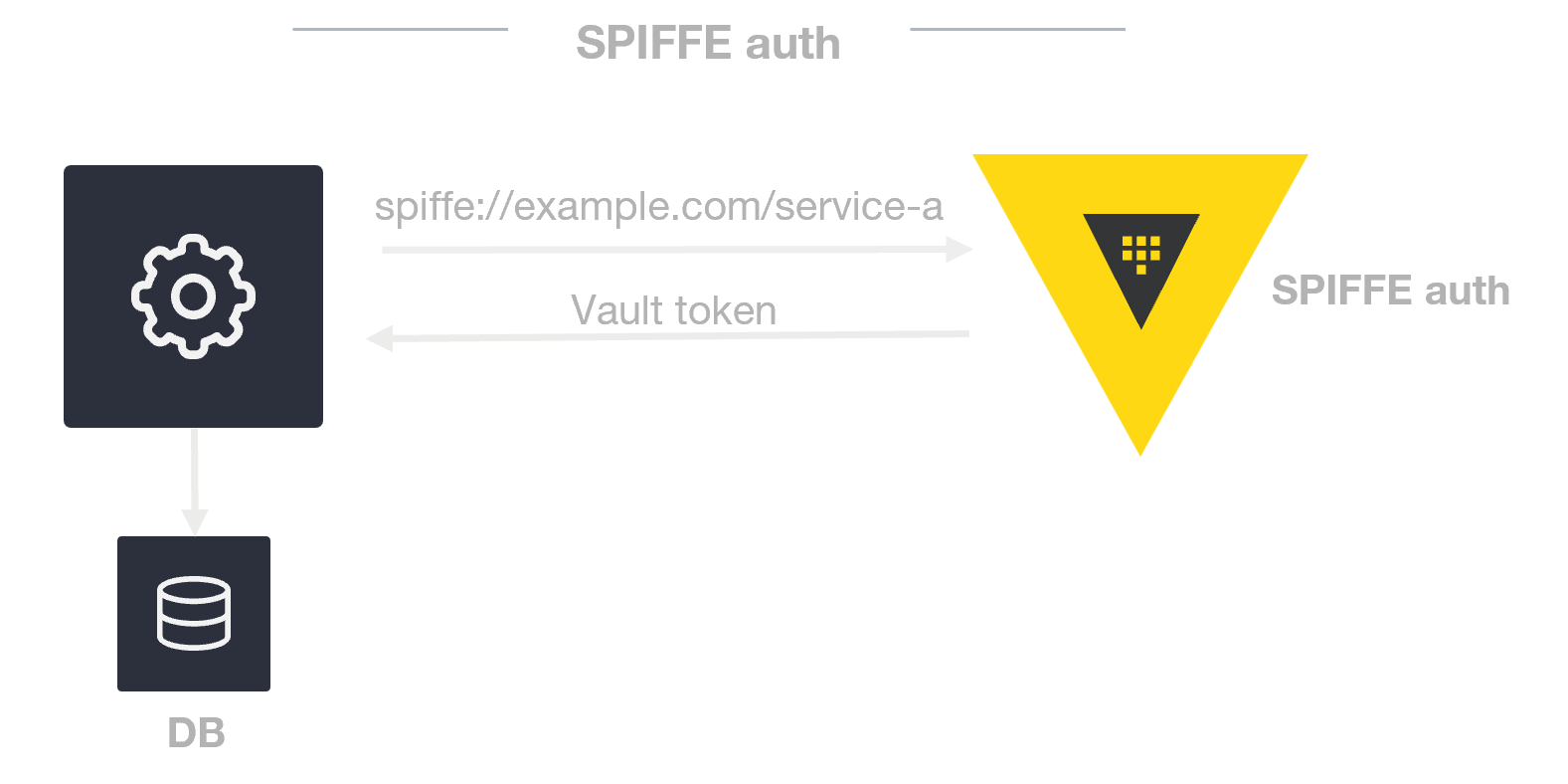
What Is SPIFFE?
SPIFFE is a battle-tested, open-source identity framework that provides cryptographically verifiable identities for workloads—any software process or service. Instead of relying on long-lived secrets, it issues short-lived, automatically rotated credentials tied to the workload itself. At its core, SPIFFE enables three key capabilities:
- Workload identity: Every service or process receives a unique SPIFFE ID that represents its identity.
- Federated trust: Identities can be validated across different organizations, clouds, or trust domains.
- Dynamic credentialing: Credentials are issued, rotated, and revoked automatically, reducing the risk of leaks or misuse.
How It Works
SPIFFE defines a standard format for identities (e.g., spiffe://example.org/workload/my-agent) and relies on a workload API to fetch credentials. The framework uses mutual TLS (mTLS) for authentication, ensuring that every interaction between workloads is both authenticated and encrypted.
Why SPIFFE Matters for Agentic AI
Agentic AI systems—from LLM-powered bots to autonomous robots and multi-agent swarms—require robust identity management to operate securely. They must prove their identity to peers, establish trust in distributed environments, and communicate across networks. SPIFFE provides a foundation for these needs through the following advantages:
1. Verifiable Non-Human Identity
SPIFFE IDs are inherently tied to workloads, not people. This makes them ideal for non-human actors like AI agents, robotic systems, and automated scripts. Each agent receives a unique SPIFFE ID that cryptographically proves its origin, capabilities, and trust level—eliminating ambiguity about which entity is acting.
2. Zero Trust Architecture
In a zero trust model, no entity is trusted by default. SPIFFE supports this by enabling mutual TLS (mTLS) between agents. Every interaction is authenticated and encrypted, preventing impersonation or unauthorized access in AI-driven systems. This is crucial for maintaining security in complex, multi-agent scenarios.
3. Federation Across Domains
Agentic AI systems often span multiple clouds, organizations, or networks. SPIFFE’s federation model allows identities from one trust domain to be validated in another, enabling secure collaboration between agents that belong to different environments. For example, a traffic management agent from City A can securely communicate with an energy grid agent from City B.
4. Dynamic Identity Lifecycle
AI agents are frequently spun up and decommissioned on short notice. SPIFFE supports ephemeral identities with automatic credential rotation and revocation. Short-lived credentials reduce the attack surface and align with the rapid lifecycle of agentic workloads, improving operational security.
Use Case: AI Agents in a Multi-Agent System
Consider a swarm of AI agents coordinating a smart city’s infrastructure—traffic lights, energy grids, emergency response systems. Each agent must:
- Authenticate itself to other agents using its SPIFFE ID.
- Prove it has authority to perform certain actions (e.g., adjust traffic signals).
- Securely communicate sensitive data over potentially untrusted networks.
With SPIFFE, every agent presents a cryptographically signed identity that other agents can validate. Mutual TLS ensures all data in transit is encrypted. Federated trust allows agents from different city departments or even different municipalities to collaborate seamlessly. The dynamic lifecycle management ensures that if an agent is compromised or decommissioned, its credentials are revoked immediately.
Conclusion
As agentic AI becomes more pervasive, the need for a scalable, secure identity framework is critical. SPIFFE, with its focus on workload identity, zero trust principles, and federation, offers a proven solution that goes beyond traditional identity systems. By adopting SPIFFE, organizations can ensure that their AI agents—and all non-human actors—operate with verifiable trust, enabling the next generation of autonomous, interconnected systems.
Related Articles
- Decoding AMD's GFX12.1: New Open-Source Driver Activity Hints at Next-Gen GPU Plans
- 9 Key Facts About the AMD Ryzen AI Halo Mini PC for AI Developers
- How to Get Started with MPS 2026.1 Early Access and Its New Features
- Rust 1.97 Raises Minimum Requirements for NVIDIA GPU Compilation Target
- Motherboard Sales Plummet Up to 37% as PC Building Faces Existential Crisis – But PCIe 8.0 Offers Hope
- MINISFORUM Unleashes Two New NAS Models: Up to 7 SSDs and Intel Panther Lake Support Confirmed
- How to Evaluate Intel's Cache Aware Scheduling on Linux Before Mainline Merge
- 10 Reasons Apple and Intel Need Each Other (And Why It Matters for America)